
Mangrove Conservation Project
The Challenge
Kenya’s coastal mangrove ecosystems face increasing pressure from unsustainable harvesting, coastal development, pollution, climate change, and changing land-use practices. These threats have resulted in habitat degradation, shoreline erosion, declining fisheries productivity, biodiversity loss, and reduced ecosystem services that sustain coastal communities. Many households continue to rely on mangrove resources for their livelihoods, underscoring the need for restoration approaches that strengthen ecosystem health while creating sustainable economic opportunities.
Community Awareness and Capacity Building
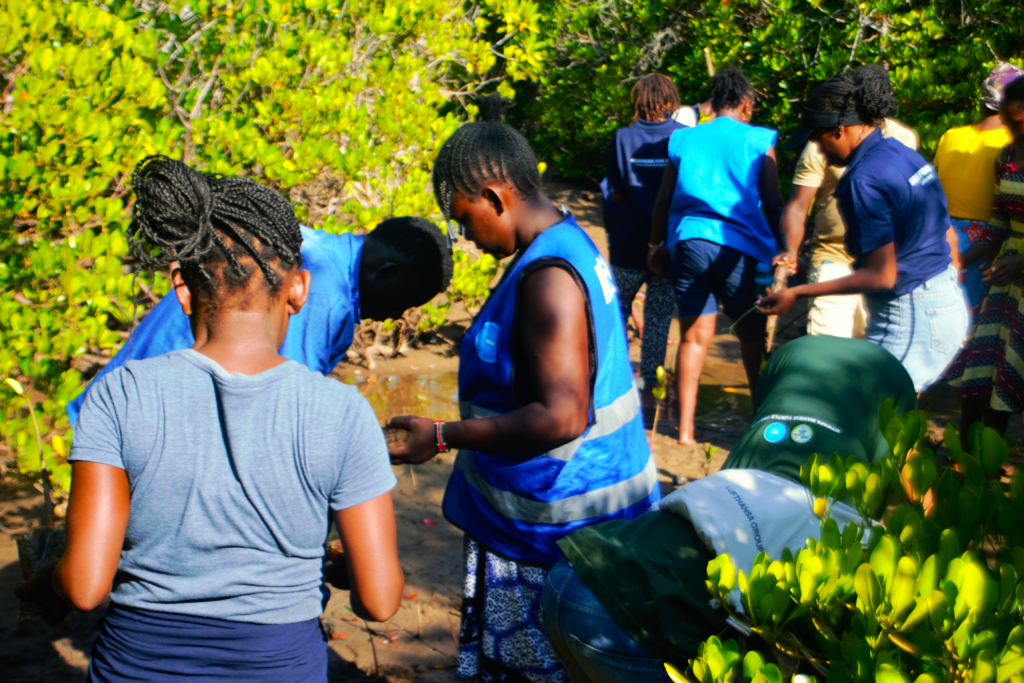
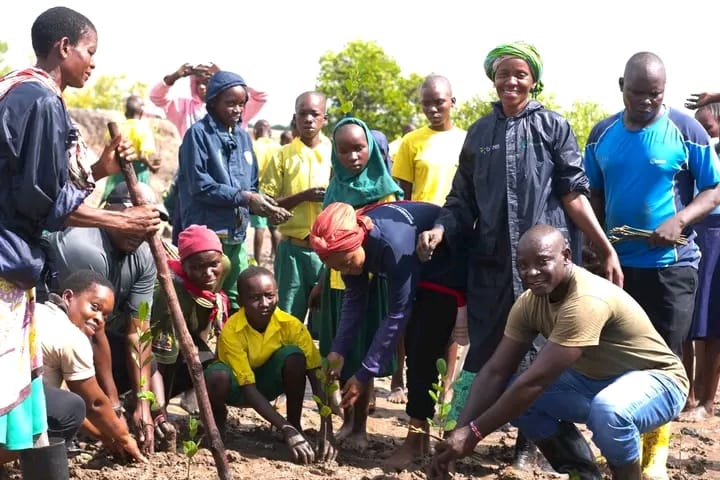
At Mariners for Action, we implement a community-centred mangrove restoration programme that integrates scientific best practices with local knowledge to restore degraded coastal ecosystems and strengthen long-term stewardship. We begin by conducting community awareness and environmental education programmes that build understanding of the ecological, economic, and climate value of mangrove forests while encouraging active participation in their conservation. We provide practical training to community groups, youth, women, schools, and Beach Management Units on mangrove ecology, seed collection, propagule handling, nursery establishment and management, planting techniques, restoration planning, biodiversity monitoring, and long-term ecosystem management.
Mangrove Nursery Development and Ecological Restoration
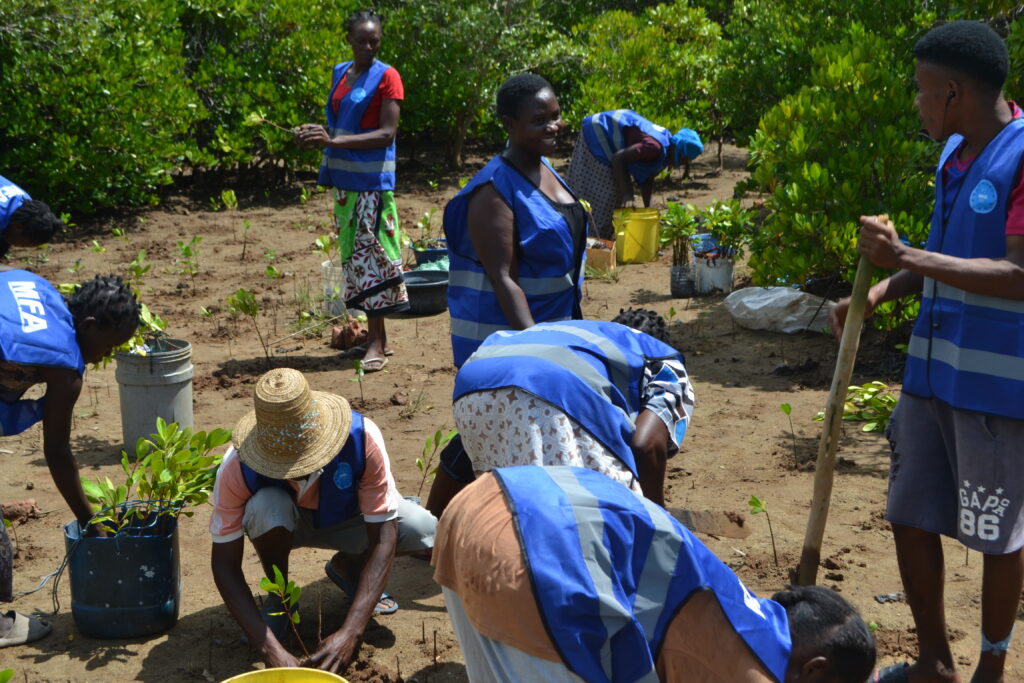
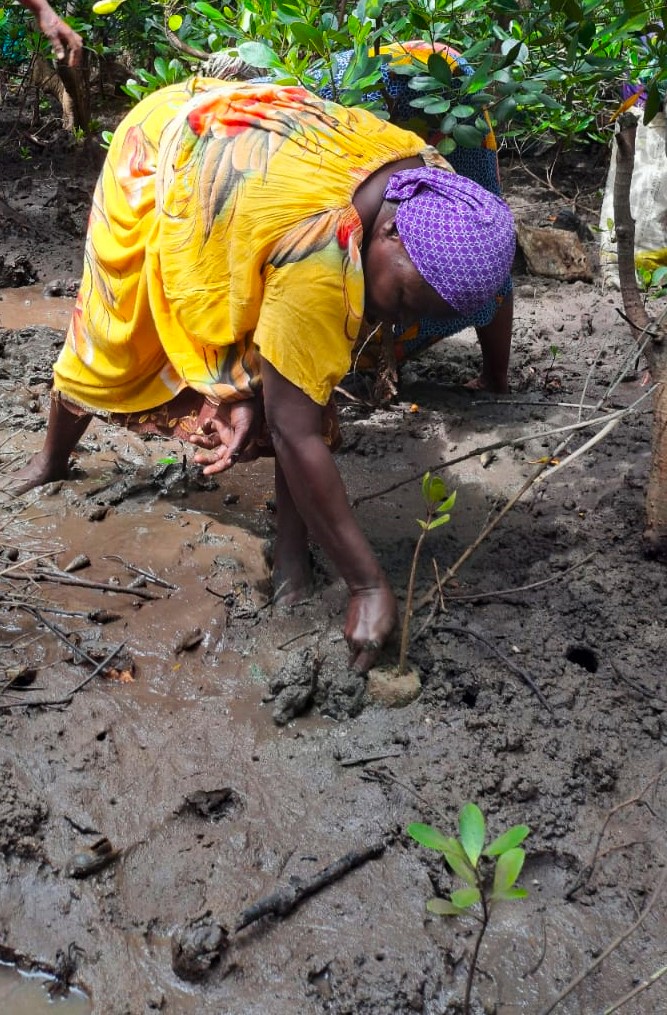
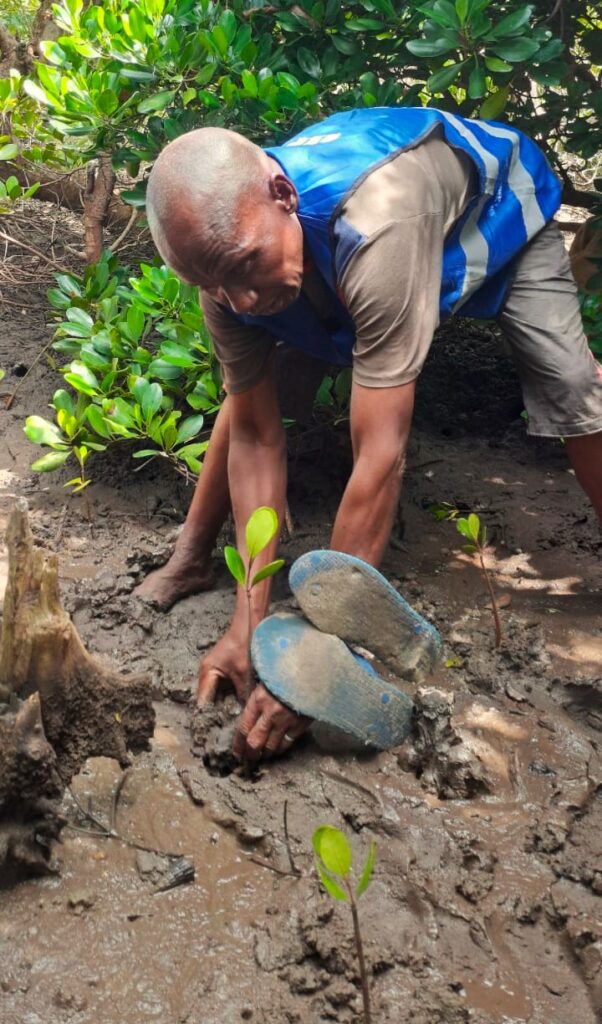
We establish and support community-managed mangrove nurseries where propagules are collected from healthy mother trees, propagated under appropriate conditions, and nurtured into high-quality seedlings ready for restoration. Using ecological assessments, participatory mapping, hydrological considerations, and habitat suitability analysis, we identify degraded sites and develop restoration plans that match appropriate mangrove species to suitable tidal zones, maximising seedling survival, ecosystem recovery, and long-term resilience.
Sustainable Livelihoods and Market Linkages
To strengthen the sustainability of restoration activities, we facilitate market linkages that connect community nursery groups with government agencies, conservation organisations, private sector partners, and restoration programmes seeking to procure high-quality mangrove seedlings. This creates diversified income opportunities for local communities while establishing restoration as a viable nature-based enterprise that incentivises continued investment in mangrove conservation and nursery management.
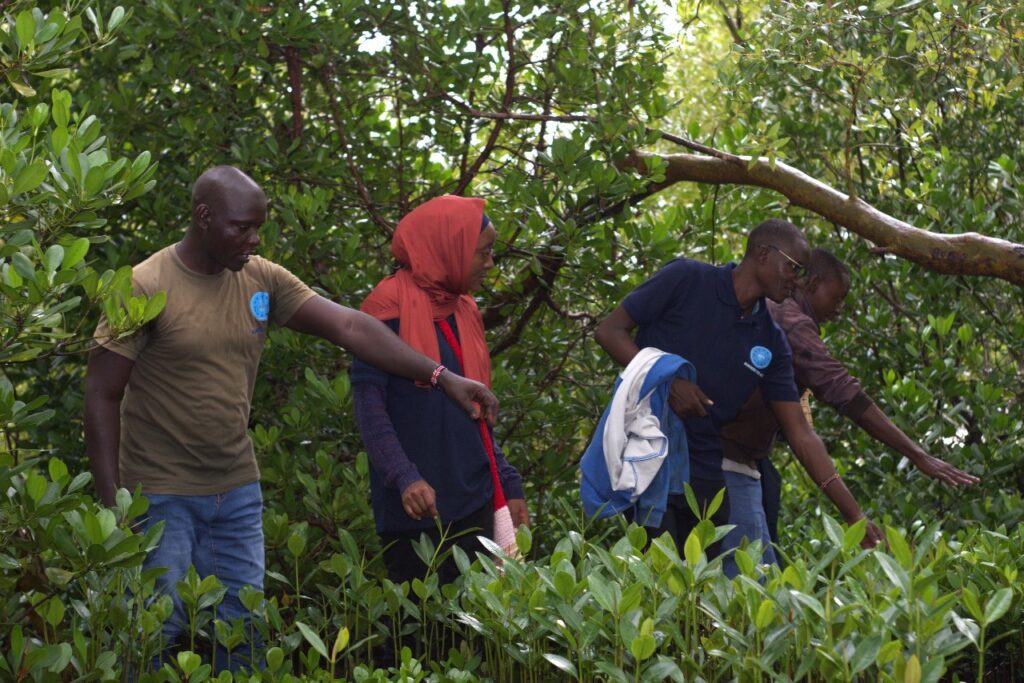
Community Biodiversity Monitoring and Forest Surveillance
The programme further integrates community biodiversity monitoring and environmental surveillance to safeguard both restored and existing mangrove forests. Trained community monitors undertake routine ecological assessments to evaluate forest condition, natural regeneration, species diversity, habitat integrity and restoration performance while conducting surveillance to identify illegal logging, encroachment and other emerging threats. Data collected through standardised field protocols and georeferenced monitoring systems support evidence-based management, strengthen collaboration with relevant government agencies, and enable adaptive restoration planning informed by ecological indicators.
Mangrove Carbon Footprint Offset and Adoption Programme
Recognising the growing demand for credible nature-based climate solutions, Mariners for Action is also developing a Mangrove Carbon Footprint Offset and Adoption Programme that enables travellers, businesses and institutions to voluntarily contribute to coastal ecosystem restoration as part of their climate action commitments. Rather than serving as a substitute for reducing greenhouse gas emissions, the programme provides an opportunity to support scientifically planned mangrove restoration and long-term ecosystem stewardship. Participants contribute to the establishment, maintenance and protection of mangrove restoration sites while directly supporting the livelihoods of community nursery groups and restoration practitioners.
Each adopted restoration site is uniquely monitored using geospatial mapping, periodic field assessments and ecological monitoring protocols to track seedling survival, growth, habitat recovery and biodiversity indicators. Contributors receive periodic impact reports demonstrating the environmental and social outcomes of their support, including restored habitat area, estimated carbon sequestration potential, improvements in ecosystem condition and livelihood impacts such as jobs created, nursery enterprises supported and community members engaged in restoration activities.
Monitoring, Evaluation and Adaptive Management
Our restoration programme is supported by continuous monitoring, evaluation and adaptive management to assess restoration success, ecosystem recovery, biodiversity outcomes and socio-economic impacts. Scientific monitoring enables evidence-based decision-making, improves restoration effectiveness and ensures accountability while generating valuable data that informs future conservation interventions.
Building Long-Term Coastal Resilience
Sensitising and building the technical capacity of coastal communities remains fundamental to achieving long-term conservation outcomes. Through environmental education, practical training, community-led restoration, biodiversity monitoring, innovative conservation financing and continuous ecological assessment, the programme is fostering a transition from resource extraction to ecosystem stewardship. By empowering youth and women as restoration practitioners and environmental custodians, Mariners for Action is contributing to healthier mangrove ecosystems, strengthened coastal resilience, enhanced biodiversity and sustainable livelihoods that will benefit present and future generations.
Project Objectives
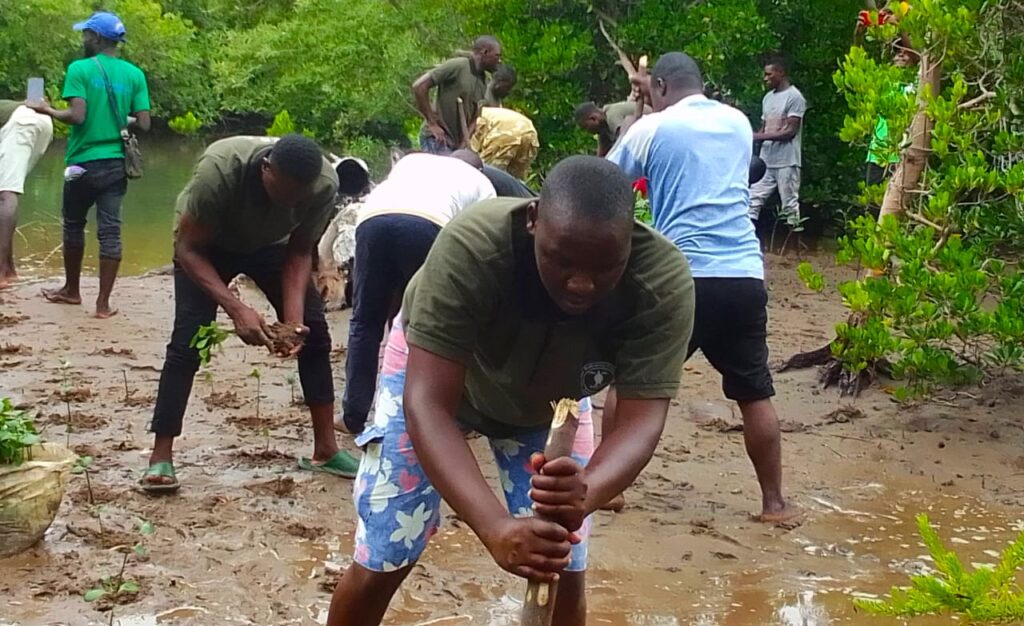
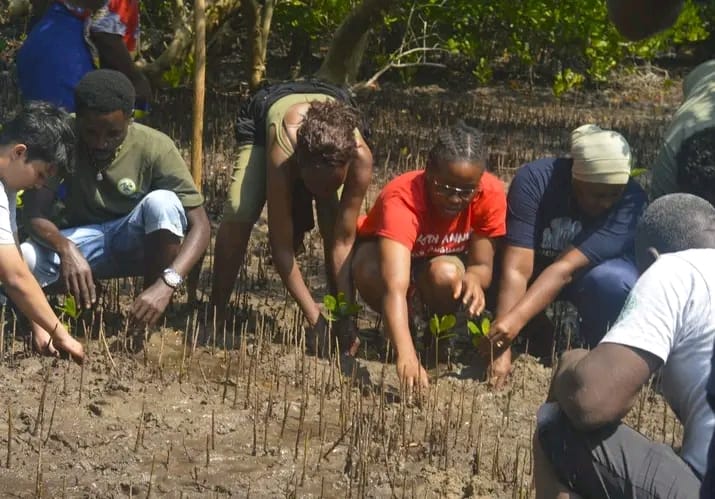
This project focuses on restoring and conserving mangrove ecosystems in Kilifi and Mombasa Counties by planting 40,000 mangrove saplings and rehabilitating 40 hectares of degraded forest. It involves establishing 15 nurseries, each capable of nurturing 3,000 saplings, to support sustainable propagation. The project includes training 4,500 community members on best practices for mangrove conservation and sustainable management. Sustainable livelihoods are fostered through commercial mangrove propagation, generating income for at least 700 community members. By addressing the critical threats of deforestation, habitat loss, and environmental degradation, the project strengthens mangrove resilience and promotes improved well-being for coastal communities.
Challenges
There is resistance to change from logging communities who rely heavily on mangroves due to declining fish stocks and the lack of reliable alternative livelihoods. Insufficient funding limits the scale and continuity of restoration activities. Additionally, limited access to monitoring technologies post-planting hampers effective tracking and timely interventions necessary to ensure sapling survival and forest regeneration