

Community Plastic Waste Recycling Innitiative
Plastic pollution poses a significant threat to marine biodiversity, with sea turtle stranding rates having skyrocketed due to ingestion of plastics such as straws and polythene bags, leading to fatal blockages and toxicity. This severely affects these key species that play a crucial role in sustaining tourism. Discarded plastics also degrade beach quality and contribute to the entanglement of fish and destruction of coral reefs, particularly through ghost nets. These ghost nets not only devastate marine habitats but also entrap and kill valuable fish stocks. Additionally, discarded plastics provide breeding grounds for mosquitoes, increasing health risks to coastal communities. Microplastics ingested by fish enter the human food chain, presenting further threats to public health. Addressing plastic pollution through community-led recycling initiatives is therefore essential to protect marine ecosystems, support sustainable tourism, and safeguard the well-being of coastal populations

Project Objectives
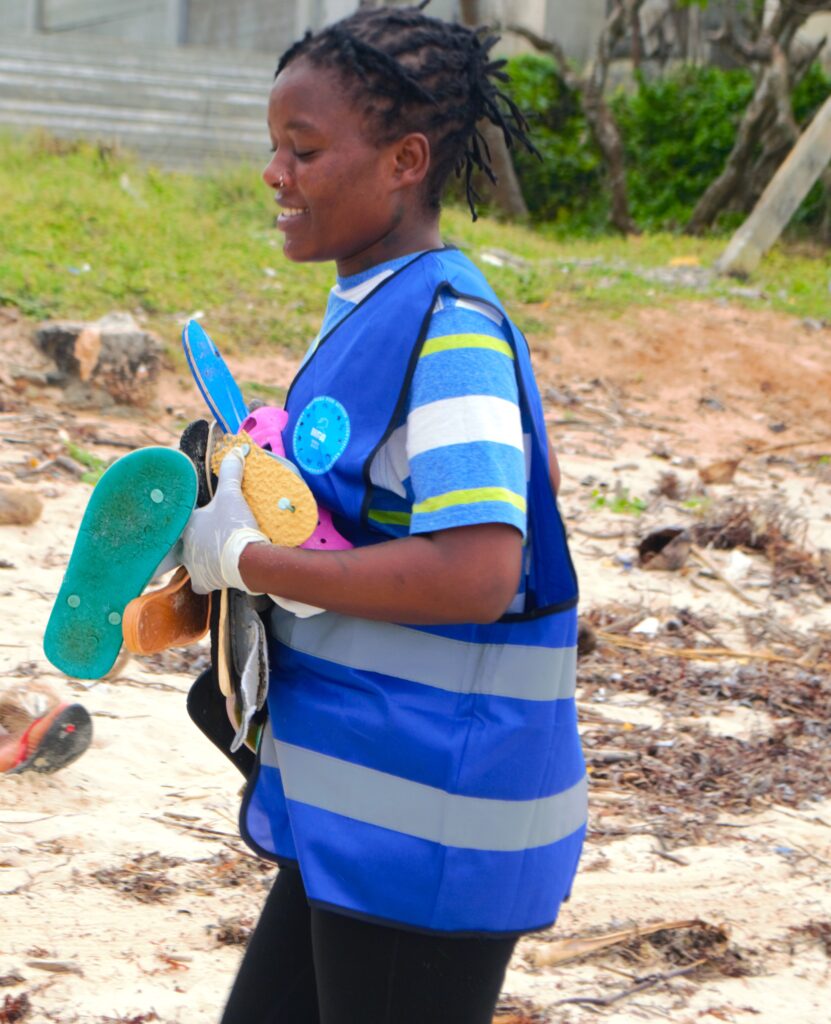
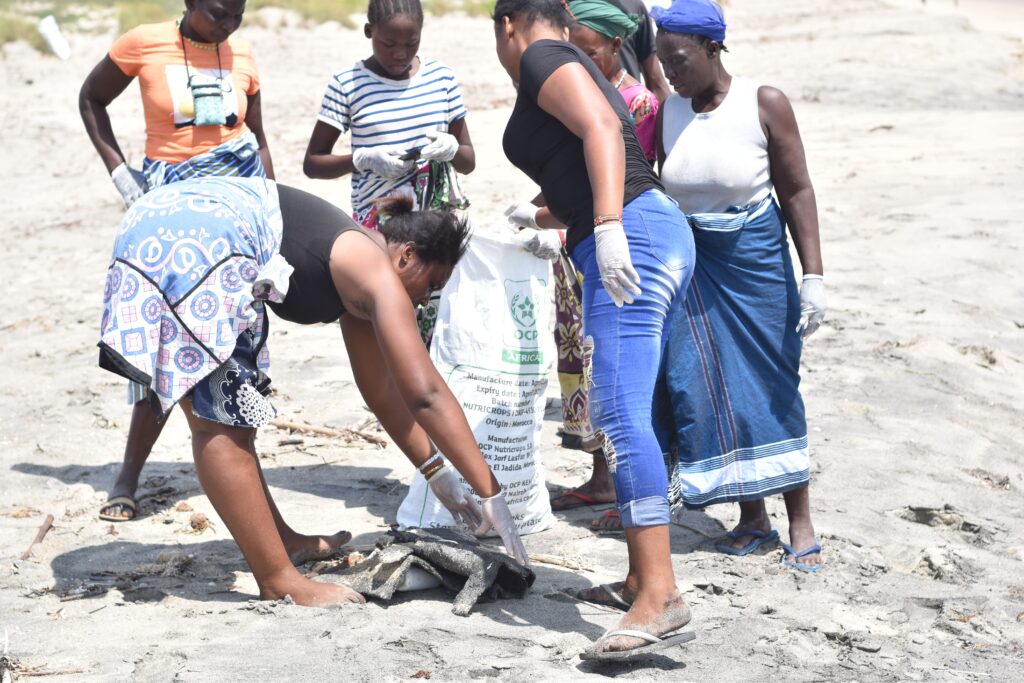
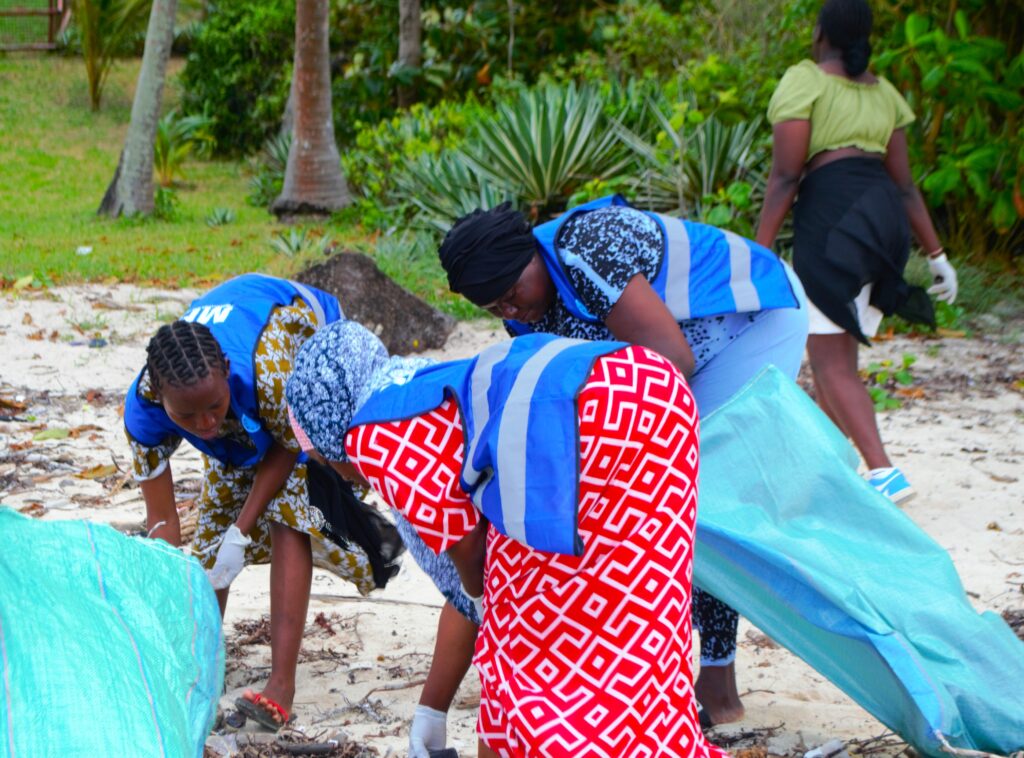
The project focuses on establishing community recycling hubs for plastic waste aggregation and sale to recycling companies, providing direct income opportunities to 300 community waste pickers, primarily youth and women. It also involves developing a citizen science platform for real-time tracking and collection of plastic waste, enhancing transparency and efficiency in waste management. Additionally, the project repurposes collected trash into touristic merchandise, creating an additional income stream while raising awareness. Importantly, these efforts contribute to preserving marine biodiversity by reducing plastic pollution, protecting vital coastal ecosystems, and supporting sustainable livelihoods for local communities.
Challenges
High cost of maintaining regular cleanups, facilitating sensitization outreaches, and producing promotional materials, which significantly strain project resources and sustainability. Effective outreach and continuous community engagement require substantial investment in materials and staffing, while ongoing cleanup operations face financial and logistical hurdles that must be addressed to maintain momentum and impact