

Elasmobranch Project
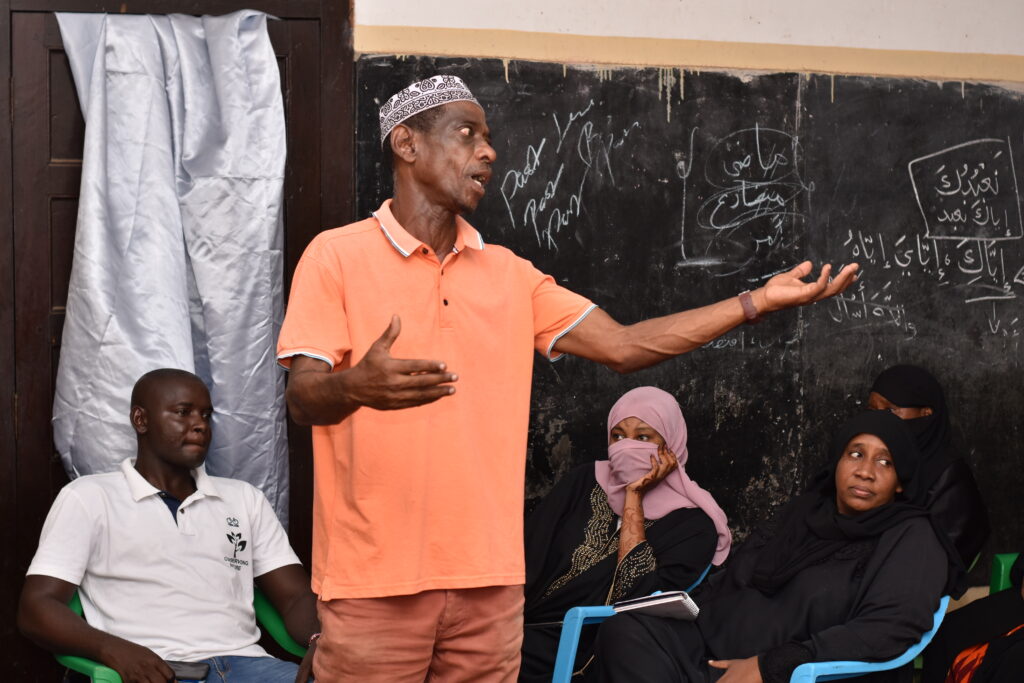
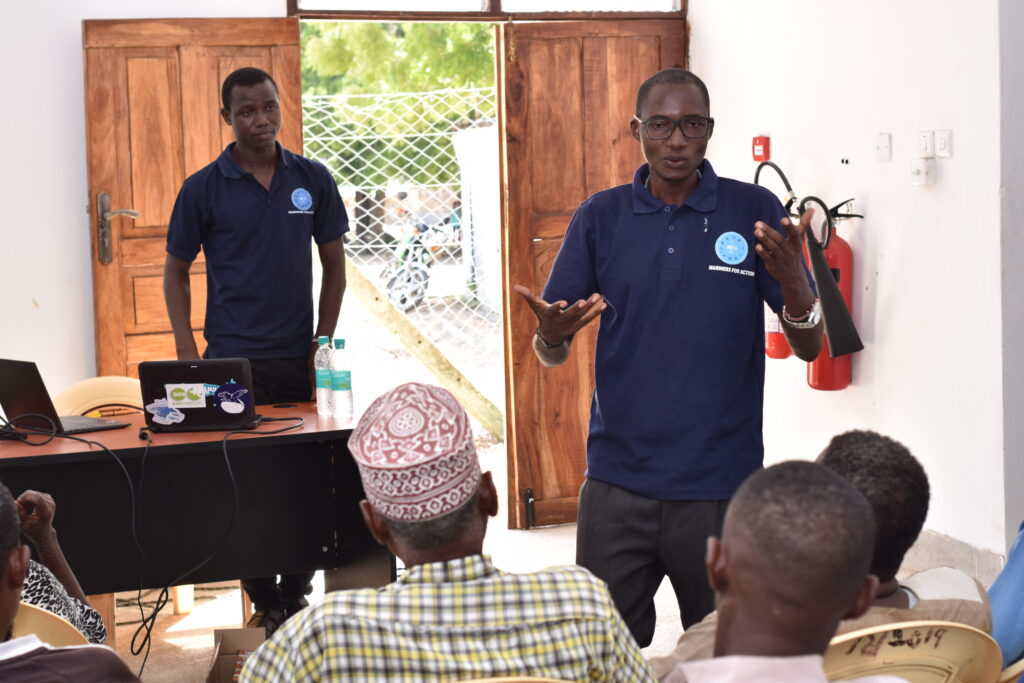
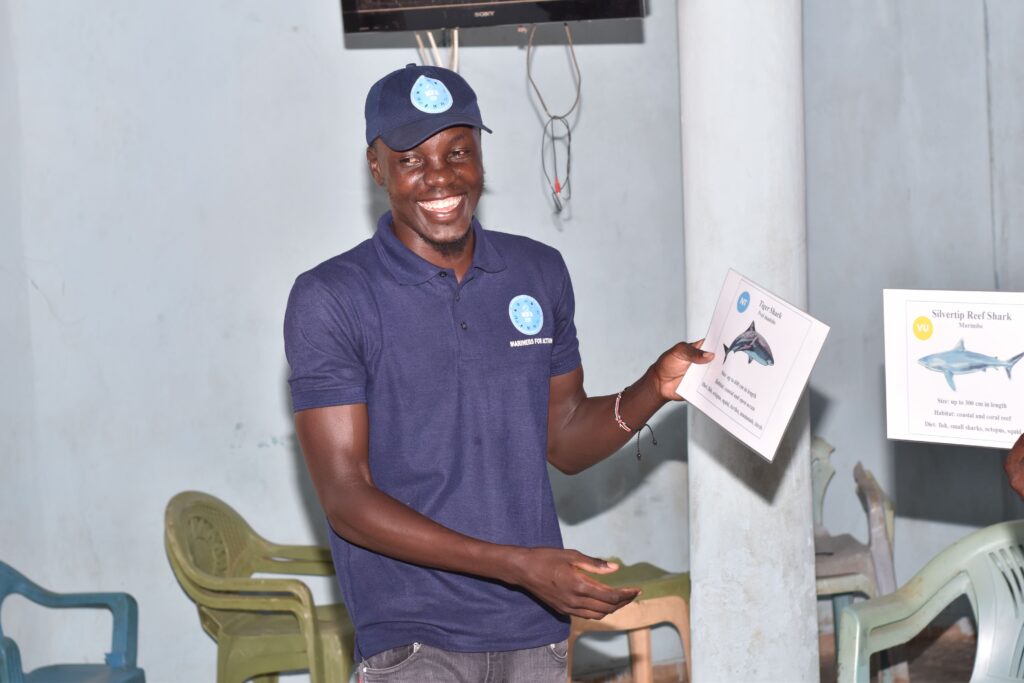
The Elasmobranch Conservation Program is a strategic, community-centered initiative focused on the sustainable management and long-term conservation of sharks and rays in Kilifi County. These species face severe threats primarily due to unsustainable fishing practices such as bottom trawling, which not only endangers their populations but also disrupts the broader marine ecosystem. The program undertakes comprehensive threat assessments and actively involves local fishers in participatory population mapping to address critical knowledge gaps. This inclusive approach integrates scientific research and traditional knowledge, fostering strong community stewardship and informed conservation actions.
Currently, the program is operational in seven Beach Management Units (BMUs) within Kilifi County, where it partners with coastal communities to develop conservation strategies tailored to local contexts. Emphasis is placed on capacity building, awareness creation, and the strengthening of governance structures to promote sustainable fishing practices that protect vulnerable elasmobranch populations. By empowering local stakeholders, especially fishers who depend on these resources for their livelihoods, the initiative contributes to ecosystem resilience, supports sustainable livelihoods, and preserves Kenya’s rich marine biodiversity heritage.


Project Objectives
The Elasmobranch Conservation Program aims to reduce the unsustainable exploitation of sharks and rays in Kilifi County through targeted educational interventions and active community engagement. It seeks to promote sustainable fishing practices, enhance local knowledge on the ecological importance of these species, and empower fishers and coastal communities to become effective stewards of marine biodiversity. The program also focuses on bridging knowledge gaps by conducting participatory mapping and threat assessments, ensuring that conservation efforts are informed by both scientific and traditional ecological knowledge.
Additionally, the project strives to strengthen community resilience by aligning conservation activities with sustainable livelihood opportunities. By fostering intergenerational knowledge transfer and improving governance within Beach Management Units, it supports the long-term health of elasmobranch populations and the overall marine ecosystem. Ultimately, the program contributes to biodiversity preservation while promoting social equity and economic viability for coastal populations dependent on marine resources.
Challenges
Sharks and rays are experiencing significant population declines due to a combination of overfishing, targeted exploitation, bycatch in commercial and artisanal fisheries, habitat degradation, and the impacts of climate change. Slow growth rates, late sexual maturity, and low reproductive output make many species particularly vulnerable to population collapse and slow recovery following depletion. In many coastal regions, limited scientific data on species distribution, abundance, migration patterns, and critical habitats constrains evidence-based conservation and fisheries management. Weak monitoring systems, inadequate reporting of shark and ray catches, and limited awareness of their ecological importance further hinder effective protection. These pressures threaten not only the survival of shark and ray populations but also the ecological balance of marine ecosystems, where they play essential roles in maintaining healthy food webs, regulating prey populations, and supporting the resilience of coral reefs, seagrass meadows, and other coastal habitats.