
Sea Turtle Conservation Project
Protecting Turtles
Sea turtles along the Kenyan coast face increasing threats from fisheries bycatch, illegal harvesting of adults and eggs, habitat degradation, unsustainable coastal development, marine pollution, and the impacts of climate change. These pressures affect important nesting, feeding, and migratory habitats, making sea turtle conservation a priority for maintaining healthy coastal and marine ecosystems.
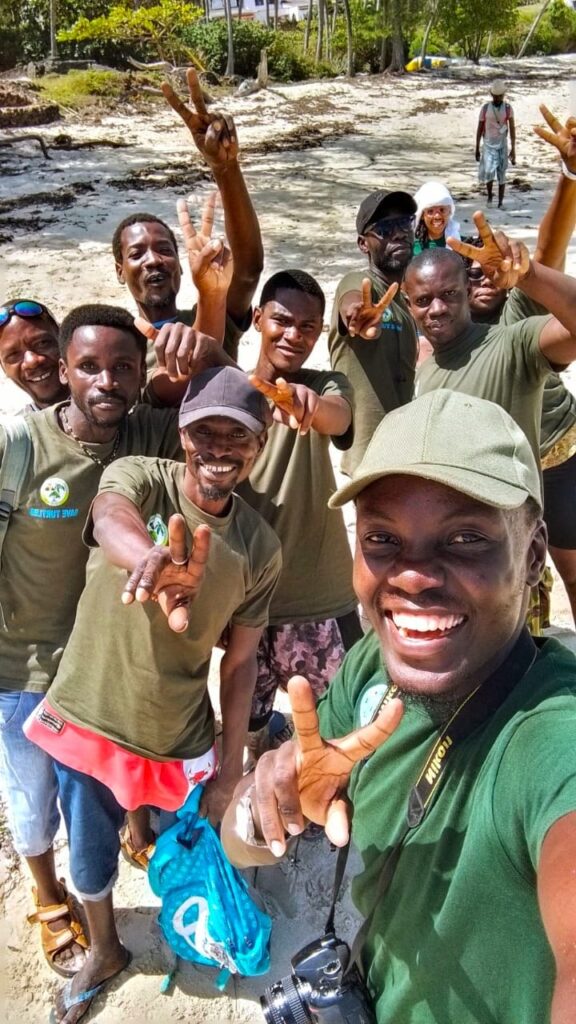
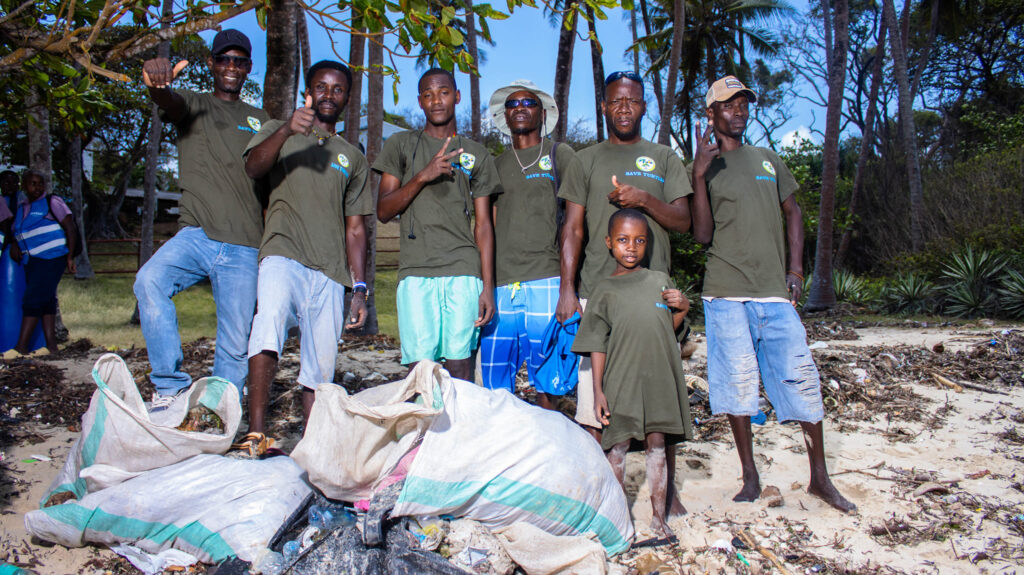
The Mariners for Action (MFA) Sea Turtle Conservation Project focuses on strengthening the protection and conservation of sea turtle populations through community-based monitoring, habitat protection, stakeholder collaboration, and public awareness. The project works closely with Beach Management Units (BMUs), community-based organizations, youth and women groups, and relevant government agencies to support the monitoring and protection of key sea turtle habitats along the Kenyan coast.
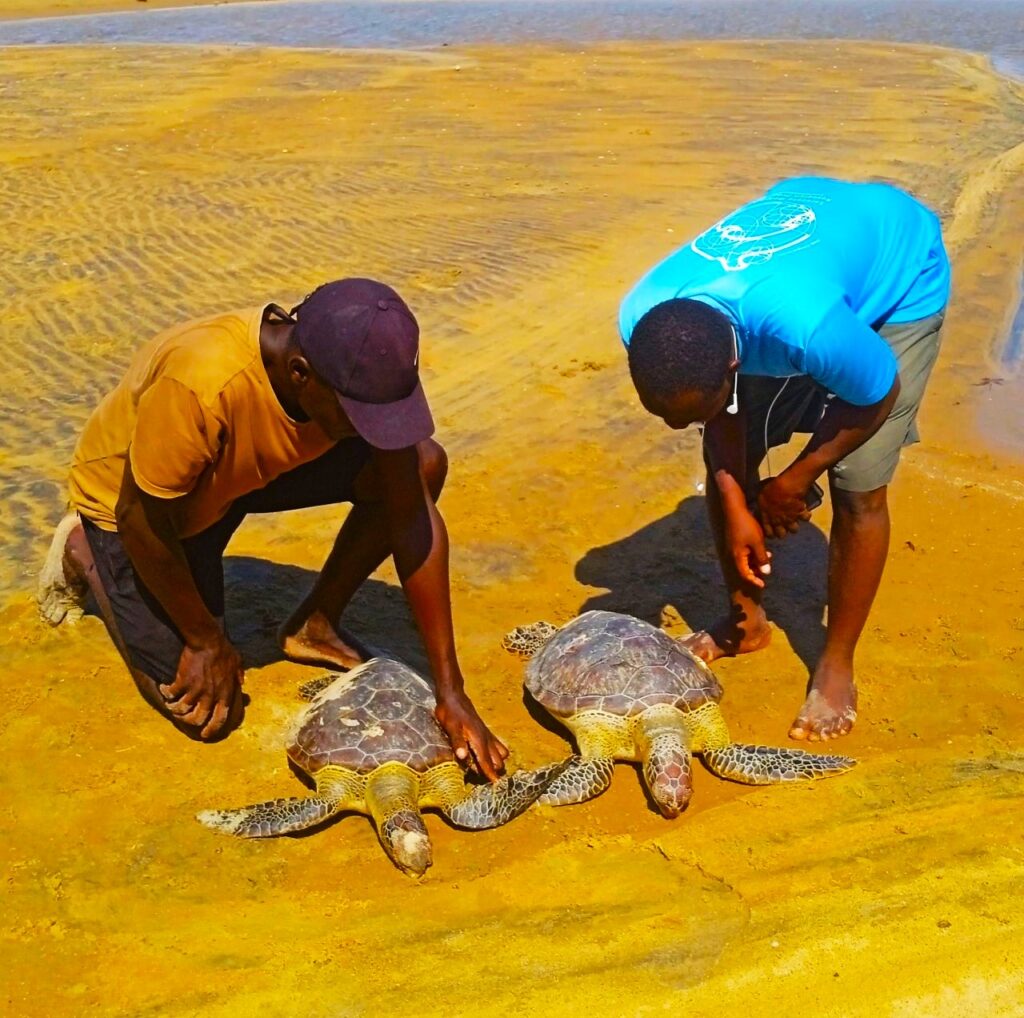
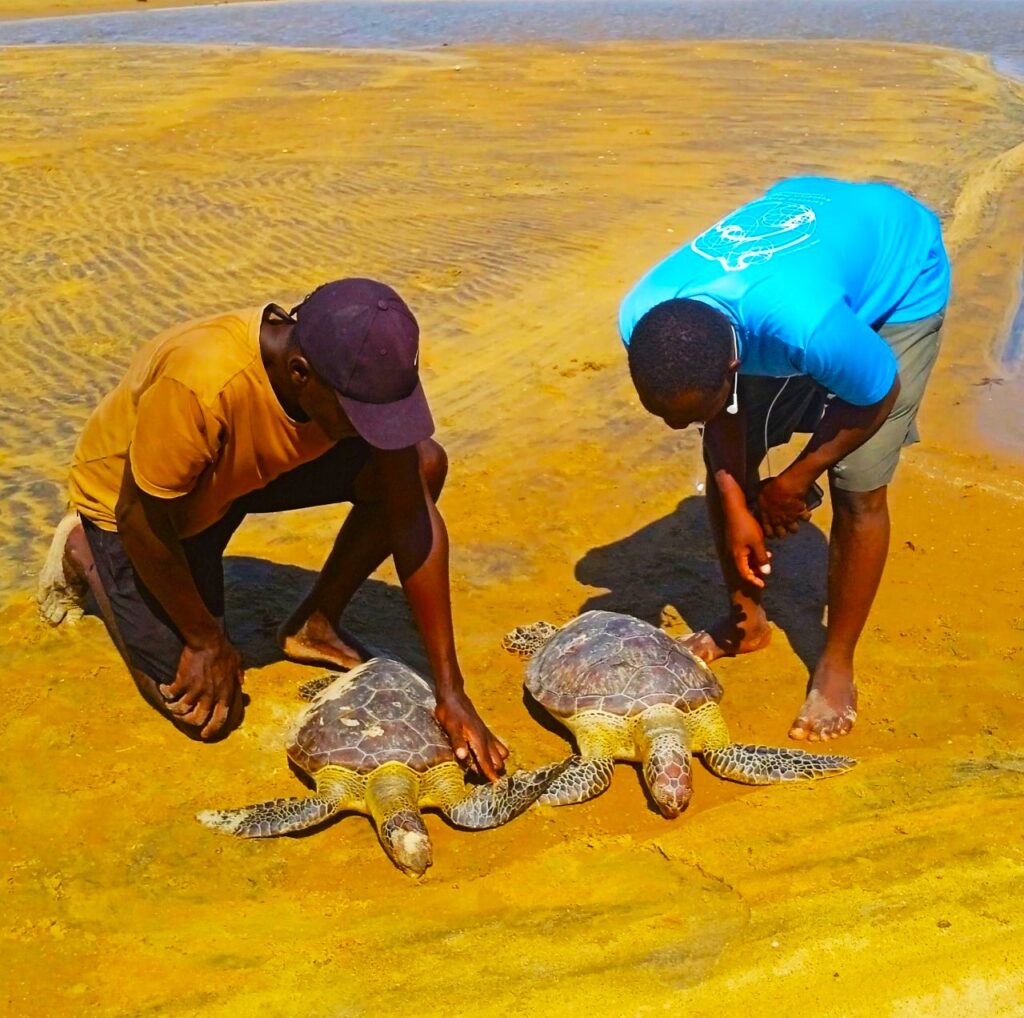
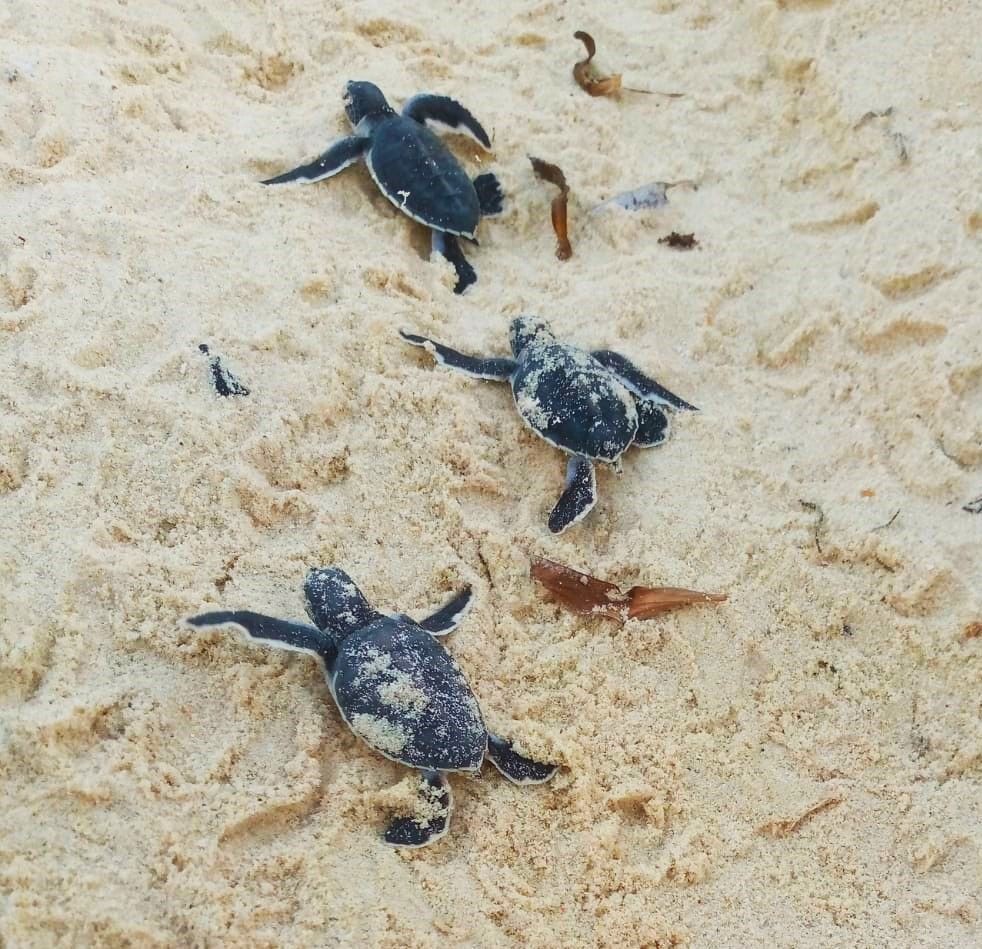
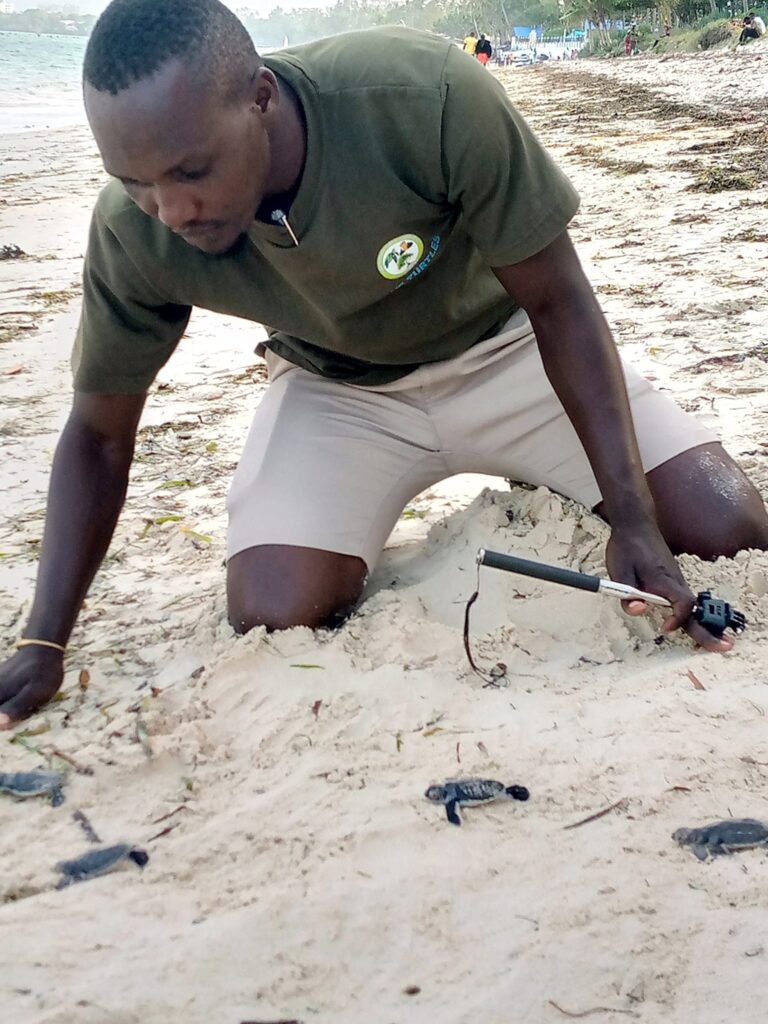
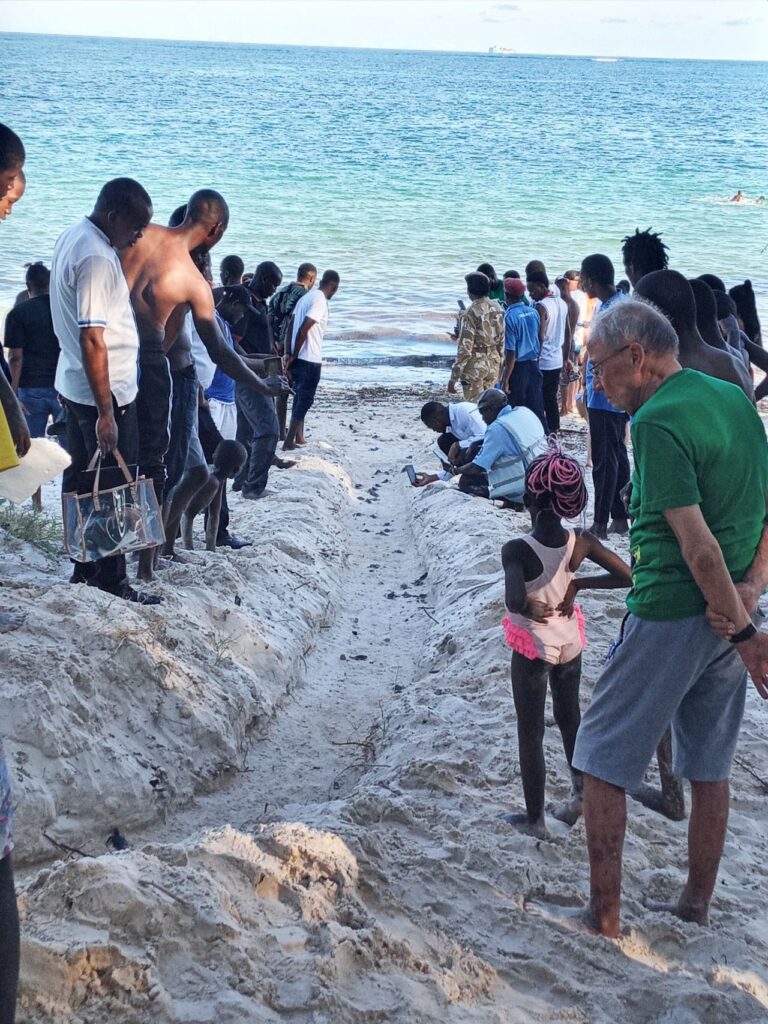
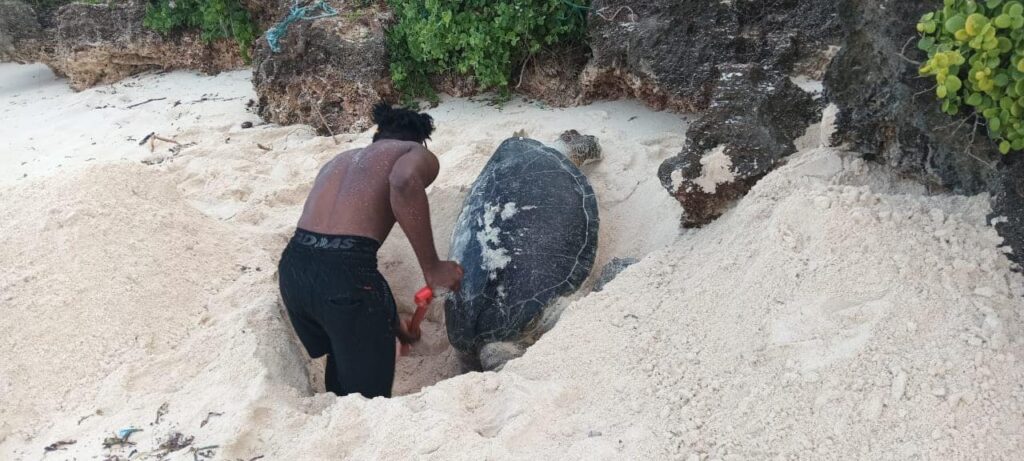
The project conducts regular monitoring of nesting beaches during nesting and hatching seasons to document turtle activity, identify and protect nests, monitor hatching success, and collect data on nesting trends. It also supports the reporting and documentation of stranded, injured, and entangled turtles, working with relevant authorities to facilitate appropriate response and management actions.
To strengthen local conservation capacity, MFA provides training to community monitors on sea turtle identification, nesting ecology, data collection protocols, GPS mapping, safe handling practices, and reporting procedures. Community monitoring teams are also equipped with basic field tools to support effective monitoring and data collection.
Community awareness and engagement are integrated throughout the project to promote understanding of sea turtle conservation and the threats facing marine ecosystems. The project works with fishers, schools, landing site committees, and local communities to encourage responsible environmental practices, improve reporting of turtle sightings and strandings, and support the protection of critical habitats.
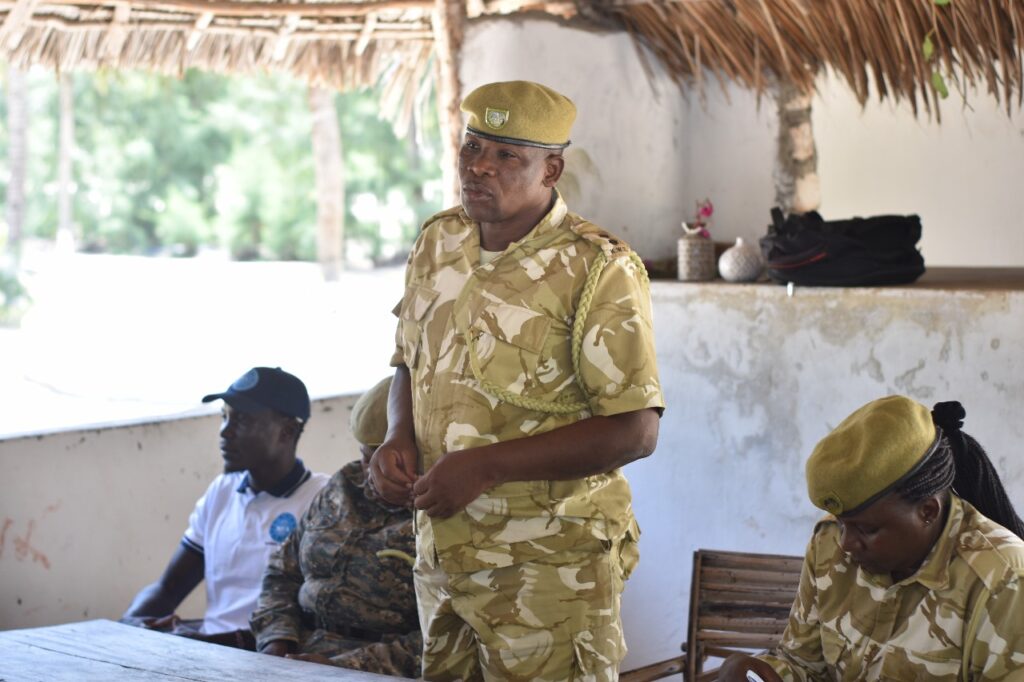
MFA collaborates with the Kenya Wildlife Service and other conservation stakeholders to strengthen monitoring efforts, support information sharing, and contribute data that informs conservation planning and management. Through these interventions, the project contributes to the protection of sea turtles and the conservation of Kenya’s coastal and marine biodiversity.

Project Objectives
This project focuses on mitigating the major threats faced by sea turtles along the Kenyan coast, including illegal poaching, habitat destruction, pollution, and bycatch, which collectively threaten their survival and the health of marine ecosystems. It aims to protect nesting sites, conduct regular beach patrols, and collect critical data on strandings to assess threats accurately. The project also seeks to raise community awareness through targeted campaigns with fisher groups regarding the ecological importance of sea turtles and their vulnerabilities. Furthermore, it establishes community-based monitoring teams in collaboration with the Kenya Wildlife Service to strengthen enforcement and ensure effective protection measures are upheld, thereby promoting sustainable coexistence between human activities and marine conservation efforts.
Challenges
Project challenges include securing adequate funding to sustain essential outreach activities and invest in advanced monitoring technology. Limited financial resources constrain the ability to conduct regular community engagement, education campaigns, and beach patrols needed for effective conservation. Additionally, funding gaps hinder the acquisition and maintenance of technological tools required for accurate data collection and real-time monitoring of sea turtle populations and threats