Environmental Education Program
Coastal communities continue to face significant knowledge gaps regarding the marine environment, including the ecological importance of mangroves, coral reefs, and fisheries, as well as the long-term impacts of pollution, overfishing, and climate change. At the same time, many students and teachers have limited awareness of emerging opportunities within the blue economy, such as sustainable fisheries, marine conservation, ecotourism, and waste management, that could support future livelihoods.
Addressing these gaps is critical. Without early environmental education, young people remain disconnected from the ecosystems they depend on, limiting both conservation outcomes and socio-economic resilience in coastal regions. Strengthening marine environmental literacy at the school level is therefore essential to building a generation that can protect ocean resources while unlocking sustainable economic opportunities.
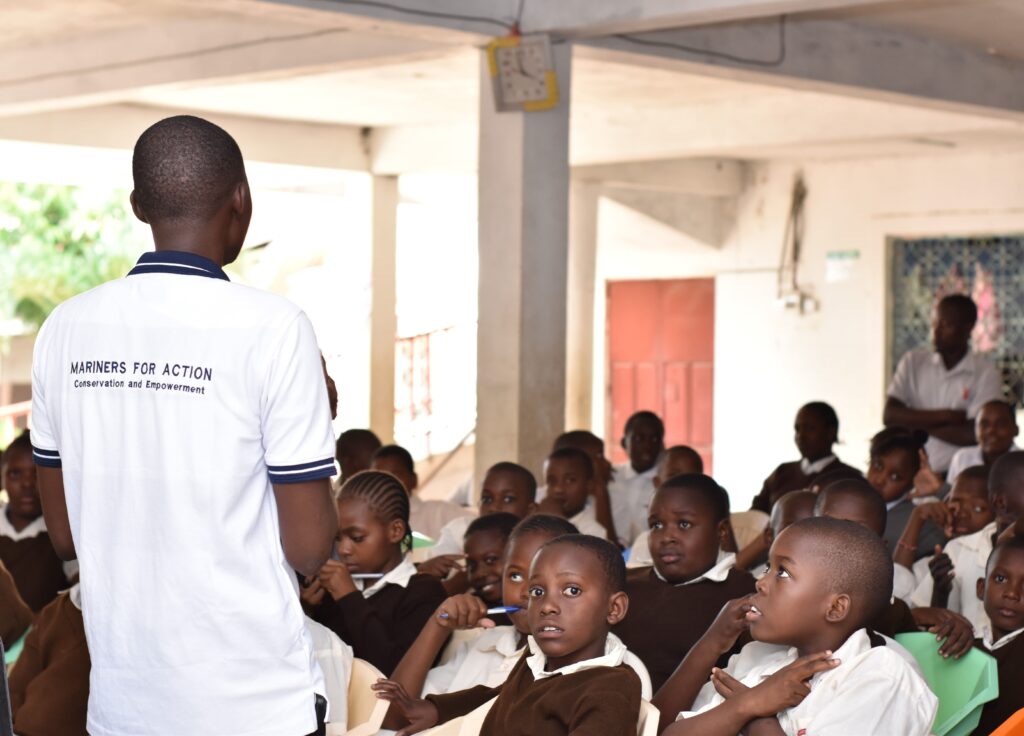
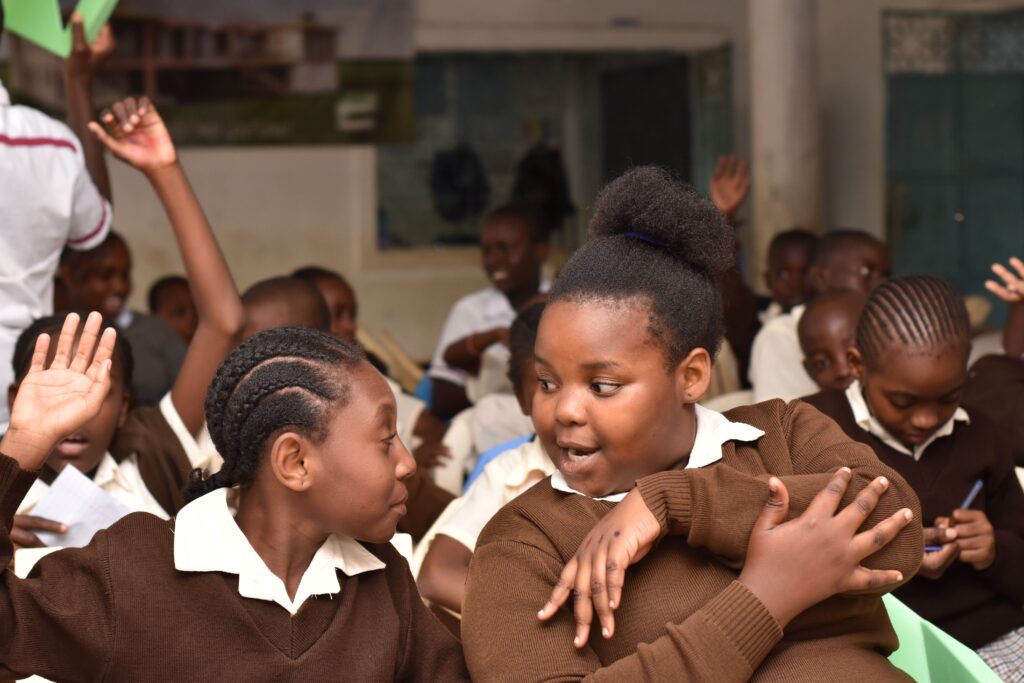
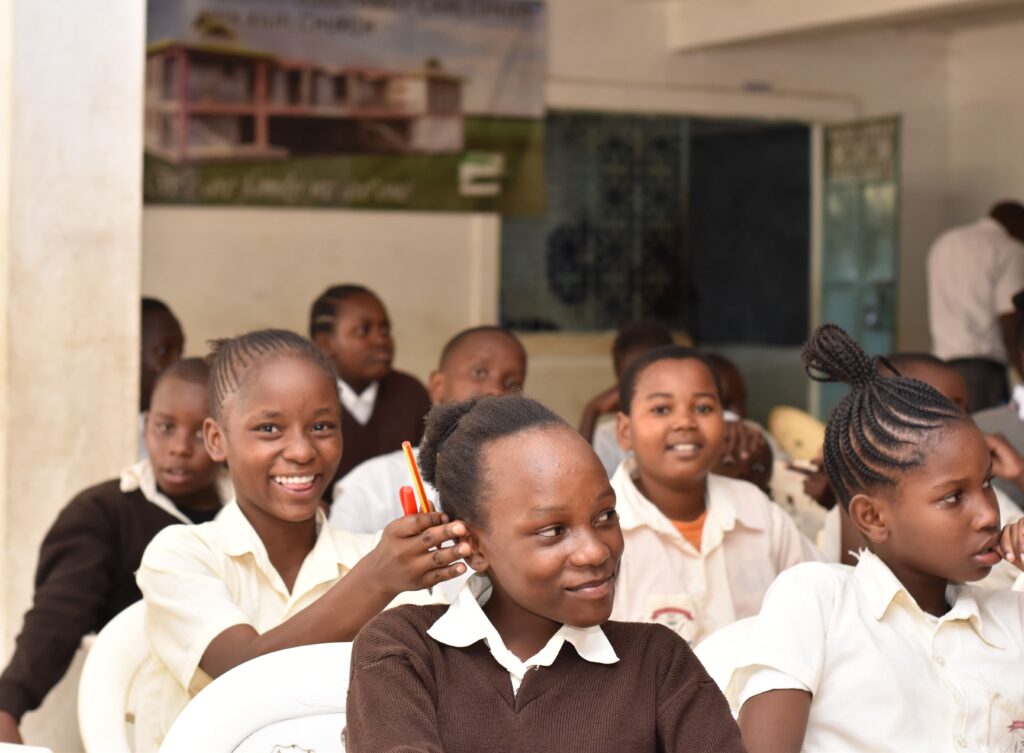
To respond to this need, we are currently implementing a structured environmental education programme in four schools. The programme combines classroom learning, teacher engagement, and practical conservation activities linked to real-world marine challenges. Through participatory lessons and locally relevant case studies, students gain practical knowledge of marine ecosystems, environmental stewardship, and pathways within the blue economy.
Building on lessons learned from these schools, the programme is designed for scale. Clear pathways are in place to expand into additional schools and new geographic areas through partnerships with education authorities, community groups, and conservation organisations, enabling wider and sustained impact.
Project Objectives
The goal of this programme is to strengthen marine environmental knowledge among students and teachers, address critical awareness gaps on coastal and marine ecosystems, and foster a culture of environmental stewardship from an early age. The project seeks to establish and support wildlife and environmental clubs within participating schools, enabling students to undertake hands-on conservation activities such as mangrove restoration, waste management, and biodiversity monitoring. Through practical learning and exposure to sustainable blue economy opportunities, the programme aims to empower young people, strengthen community engagement in conservation, and create scalable education models that can be expanded to other coastal and marine-dependent regions.
Challenges
limited financial resources for learning materials, conservation tools, and facilitation of field-based activities. Many participating schools lack trained teachers with sufficient background in marine and environmental education, necessitating continuous capacity-building support. Socio-economic pressures on students’ households, particularly in fishing communities affected by ecosystem degradation, also limit consistent participation in extracurricular conservation activities. In addition, logistical constraints such as transportation to field sites, access to degraded mangrove areas, and coordination across schools pose challenges to scaling the programme. Addressing these barriers is essential to ensure effective delivery, long-term sustainability, and successful expansion into additional schools and regions.
Project Gallery (2 images)