
Conservation Tours
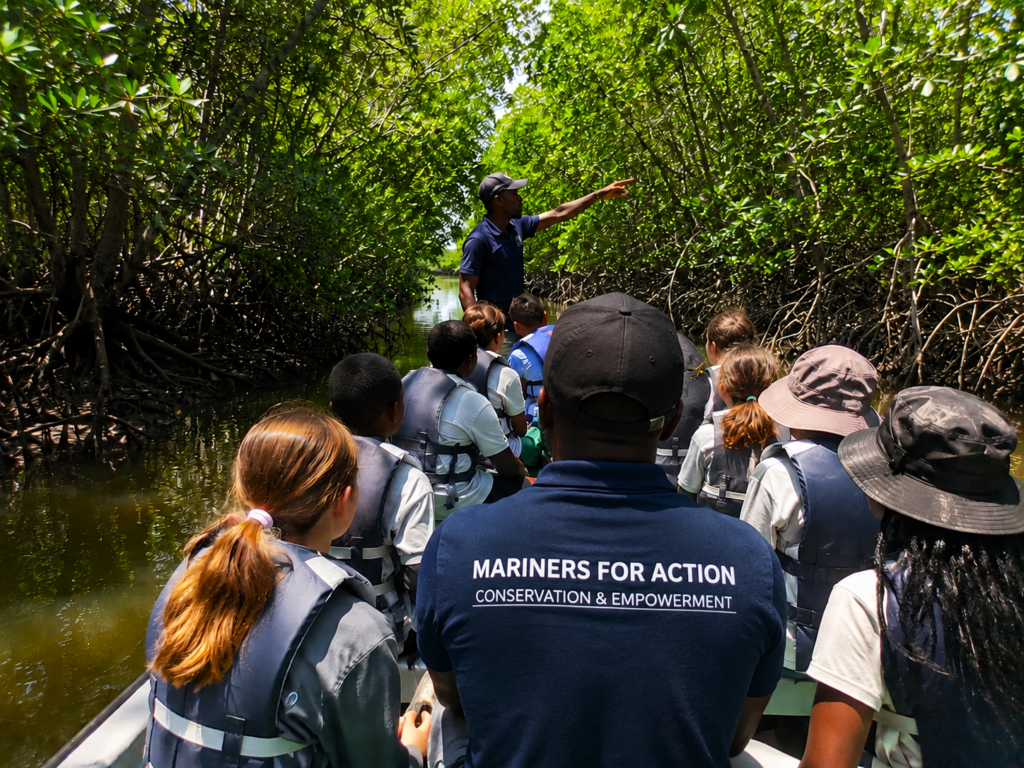
The Mariners for Action Conservation Tours Project is an environmental education and conservation outreach initiative that provides structured, field-based learning experiences within Kenya’s diverse coastal and marine ecosystems. The project was established to strengthen environmental literacy, promote evidence-based understanding of marine ecosystems, and enhance public appreciation of the ecological, social, and economic importance of coastal resources. Through guided educational experiences, the programme connects participants with natural environments while demonstrating the scientific principles and conservation approaches that underpin sustainable marine resource management.
The project recognizes that meaningful environmental education extends beyond conventional classroom instruction. Coastal ecosystems provide dynamic learning environments where ecological processes, species interactions, and conservation challenges can be observed directly. By integrating scientific interpretation with practical field experiences, participants develop a more comprehensive understanding of ecosystem structure, ecosystem function, biodiversity conservation, and the complex relationships between human activities and marine environments.
Conservation tours are designed for a broad range of participants, including primary and secondary schools, universities, technical and vocational institutions, researchers, government agencies, development partners, corporate organizations, tourists, and community groups. Each programme is tailored to the objectives and educational requirements of participating institutions, ensuring that learning activities remain scientifically accurate, relevant, and appropriate for different levels of knowledge and experience.
Field activities are conducted across a variety of coastal habitats, including mangrove forests, coral reef ecosystems, seagrass meadows, estuaries, tidal creeks, sandy beaches, coastal wetlands, and community-managed conservation areas. These ecosystems provide valuable opportunities for participants to observe biodiversity, ecological connectivity, habitat complexity, ecosystem services, and the environmental processes that support coastal productivity and resilience. The programme also introduces participants to the environmental pressures affecting these ecosystems, including marine pollution, habitat degradation, unsustainable resource use, and climate change, while examining practical conservation responses implemented by local communities and conservation practitioners.
Educational sessions combine ecological interpretation, scientific observation, and practical demonstrations to strengthen understanding of marine and coastal ecosystems. Participants are introduced to concepts such as mangrove ecology, coral reef dynamics, seagrass ecology, blue carbon ecosystems, coastal climate resilience, marine biodiversity, ecosystem restoration, fisheries resource management, marine protected area management, plastic pollution, environmental monitoring, and citizen science. Depending on the objectives of each visit, participants may also observe or participate in conservation activities including mangrove restoration, biodiversity documentation, beach clean-up exercises, ecological monitoring, and environmental awareness initiatives. These experiences provide practical context for scientific concepts while illustrating the role of research and community participation in conservation.
A key component of the project is its emphasis on the relationship between coastal ecosystems and the communities that depend upon them. Participants are introduced to community-based conservation approaches that demonstrate how sustainable management of natural resources can contribute to biodiversity conservation while supporting local livelihoods. The programme highlights the value of local ecological knowledge alongside scientific research, encouraging dialogue between conservation practitioners, researchers, students, and community members. This integrated approach promotes a broader understanding of the social and ecological dimensions of coastal resource management.
The Conservation Tours Project also serves as a platform for scientific outreach and environmental research. Universities, research institutions, and conservation organizations can utilize the programme to support field courses, ecological surveys, biodiversity assessments, environmental monitoring, and capacity-building activities. By facilitating interaction between researchers, educators, practitioners, and local communities, the project strengthens knowledge exchange and encourages the application of scientific evidence in conservation planning and natural resource management.
All conservation tours are conducted using responsible ecotourism principles that prioritize environmental protection, visitor safety, and respect for local communities. Activities are carefully designed to minimize disturbance to wildlife and sensitive habitats while promoting environmentally responsible behaviour among participants. Through guided interpretation and direct engagement with natural ecosystems, visitors gain a deeper appreciation of the ecological significance of Kenya’s coastal landscapes and the importance of their long-term conservation.
The project contributes to broader conservation and sustainable development objectives by strengthening environmental awareness, supporting experiential learning, encouraging responsible tourism, and creating opportunities for community participation in conservation initiatives. Revenue generated through conservation tours supports environmental education programmes, ecosystem restoration activities, community conservation initiatives, and the continued delivery of field-based learning opportunities.
Project Objectives
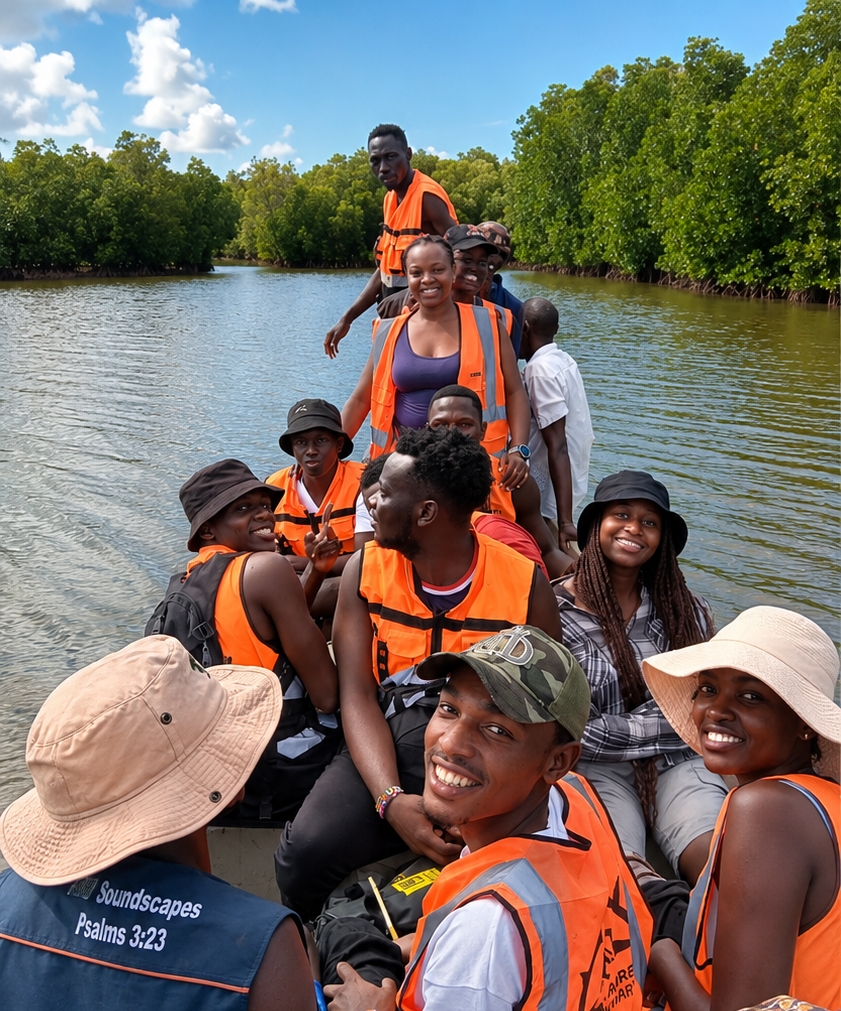
The Conservation Tours Project aims to strengthen environmental literacy through experiential learning, increase public understanding of Kenya's coastal and marine ecosystems, promote evidence-based conservation practices, encourage responsible nature-based tourism, support community participation in environmental stewardship, and foster collaboration among educational institutions, researchers, conservation organizations, and local communities to advance the sustainable management of marine and coastal resources.
Challenges
Kenya's coastal and marine ecosystems face increasing pressure from habitat degradation, marine pollution, unsustainable resource use, climate change, and limited public understanding of their ecological importance. At the same time, many students, institutions, and visitors have few opportunities to experience these ecosystems firsthand or to understand the scientific principles that underpin their conservation. This gap in environmental education and public awareness limits informed decision-making, reduces community engagement in conservation, and weakens long-term support for sustainable coastal and marine resource management. The Conservation Tours Project addresses this challenge by providing accessible, field-based learning experiences that strengthen environmental knowledge, promote responsible stewardship, and connect people directly with the ecosystems they seek to conserve.