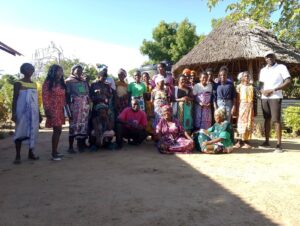
Our work is guided by a simple belief: conservation is most effective when it is led by the community. Our role is to provide the structure and support needed to guide initiatives toward meaningful and measurable impact.
Over the past two years, we have refined our approach, with over ninety percent of our biodiversity projects now integrating a livelihood component. This reflects a practical reality. Long term conservation outcomes are closely tied to the economic stability of the communities involved.
Our experience has shown that projects are most effective when they are designed around the specific environmental and socio economic conditions of each region. By working closely with communities, we develop context driven solutions that improve both adoption and long term sustainability.
One of the strongest examples of this approach is our community plastic recycling initiative, which has grown into an integrated model combining conservation, livelihoods, and ecotourism. The project is built on community led collection and aggregation systems, including organized clean ups and household collection, improving material recovery while creating income opportunities.
The initiative also incorporates a cultural tourism element. The Jereni Cultural Group repurposes plastic waste into marketable products using locally sourced materials, while offering traditional performances that create an authentic cultural experience. This approach diversifies income while reinforcing the link between conservation and culture.
As we scale this model to new regions, our focus remains on strengthening community ownership, improving efficiency, and ensuring long term sustainability. We remain grateful to our partners whose support continues to make this work possible.