Addressing Bottom Trawling Through a Multi-Stakeholder Approach to Enhance Marine Biodiversity Conservation
Project summary
Mariners for Action (MFA) is implementing a collaborative initiative aimed at addressing the ecological and socio-economic impacts of bottom trawling along Kenya’s coast through strengthened stakeholder engagement, evidence generation, community participation, and policy dialogue. The project recognizes that bottom trawling remains one of the most destructive fishing practices affecting marine ecosystems, resulting in habitat degradation, bycatch of non-target species, declining fish stocks, and threats to the livelihoods of coastal communities that depend on healthy marine resources.
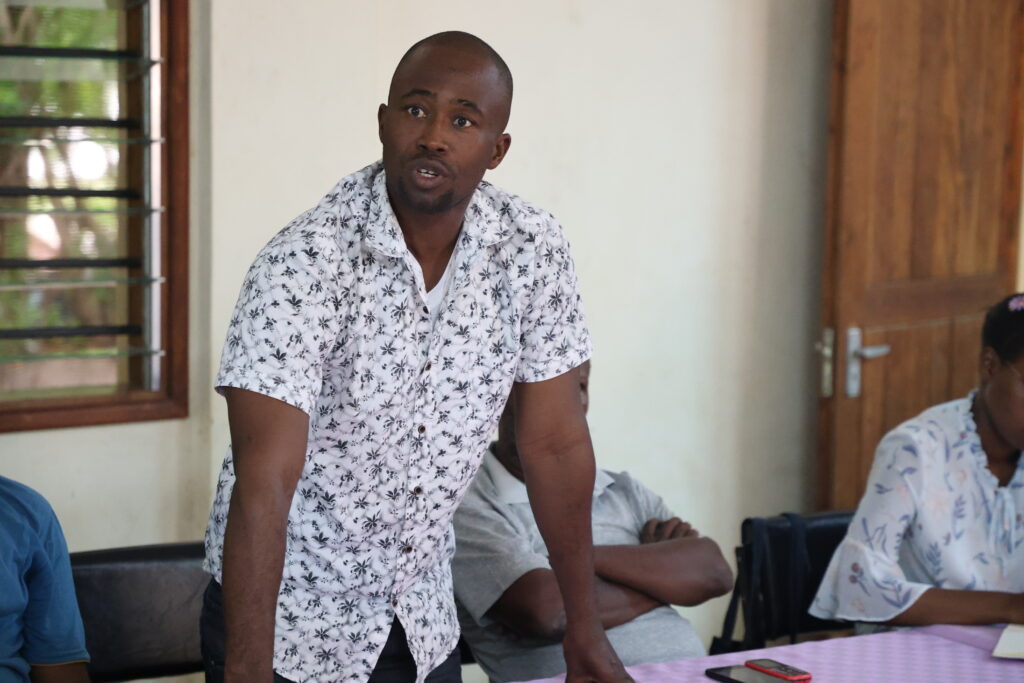
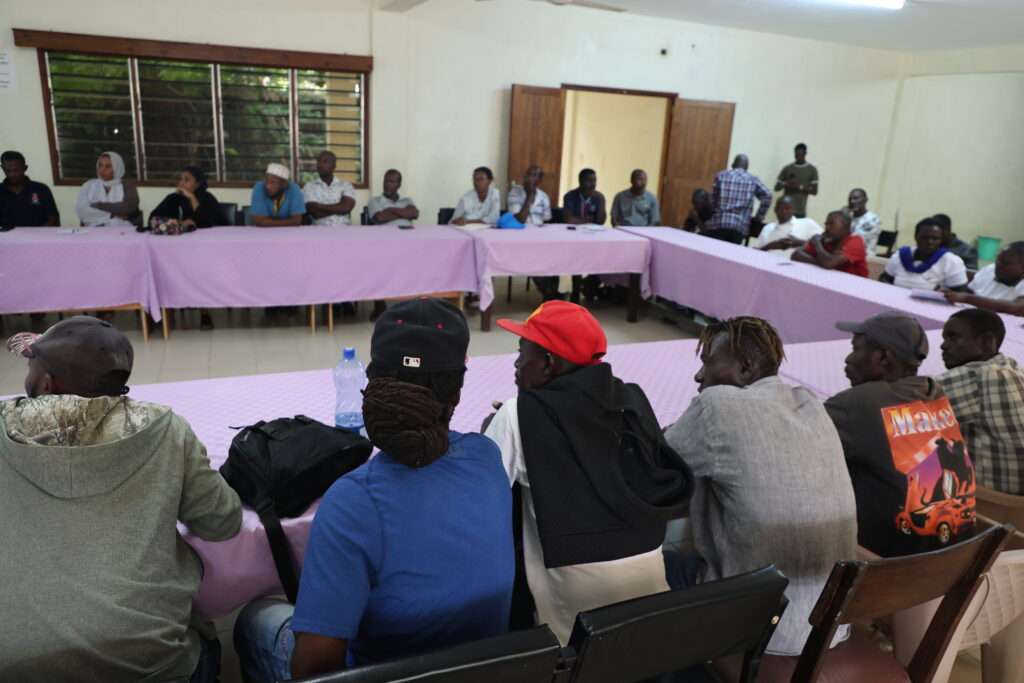
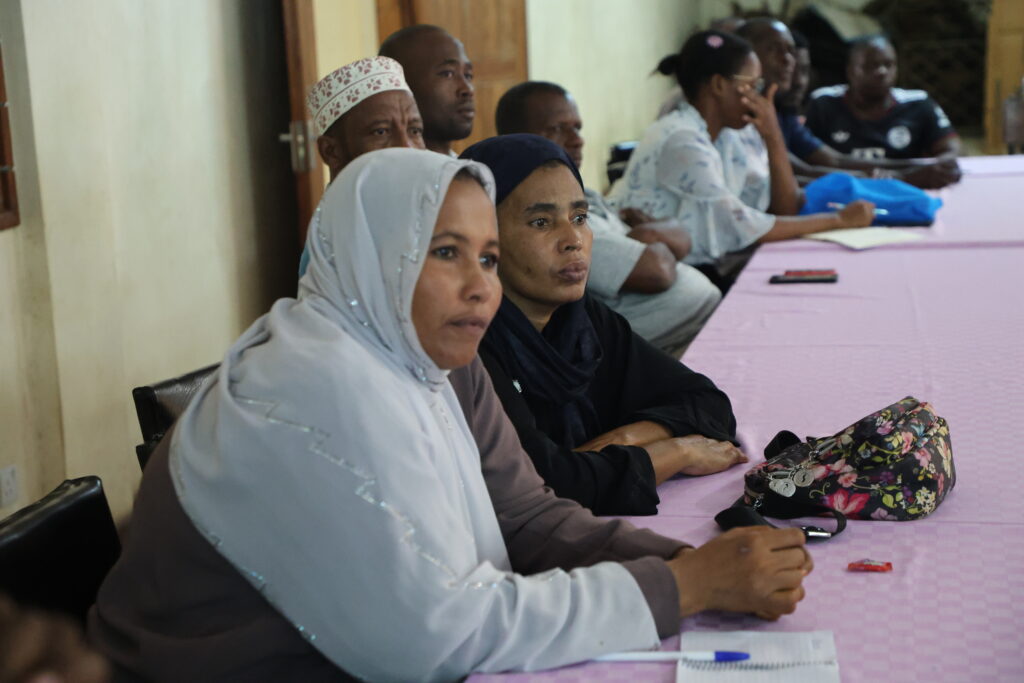
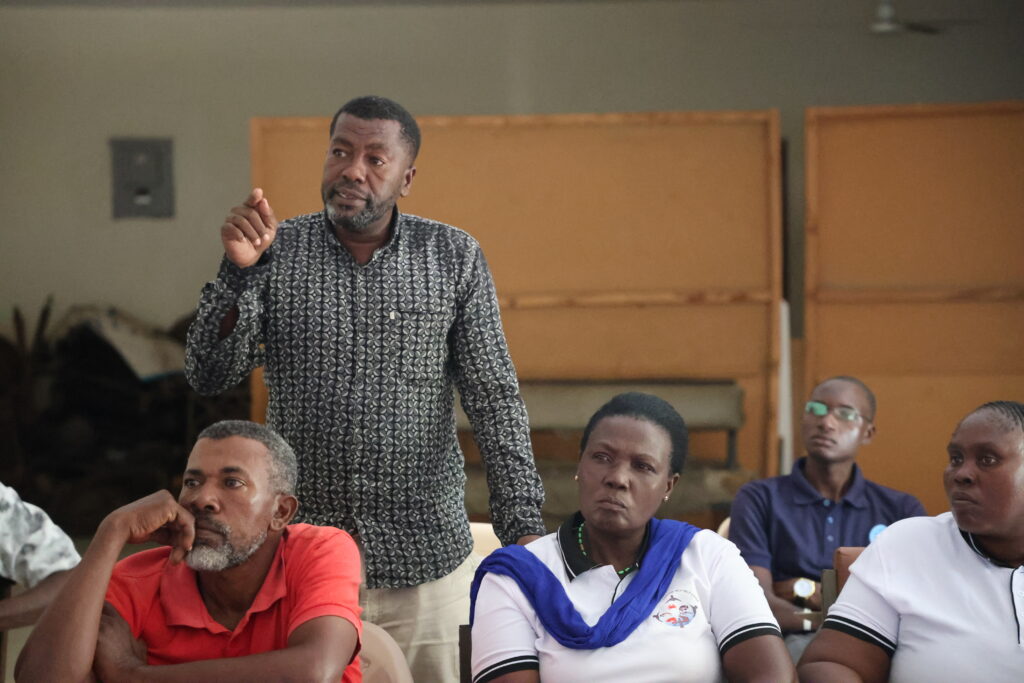
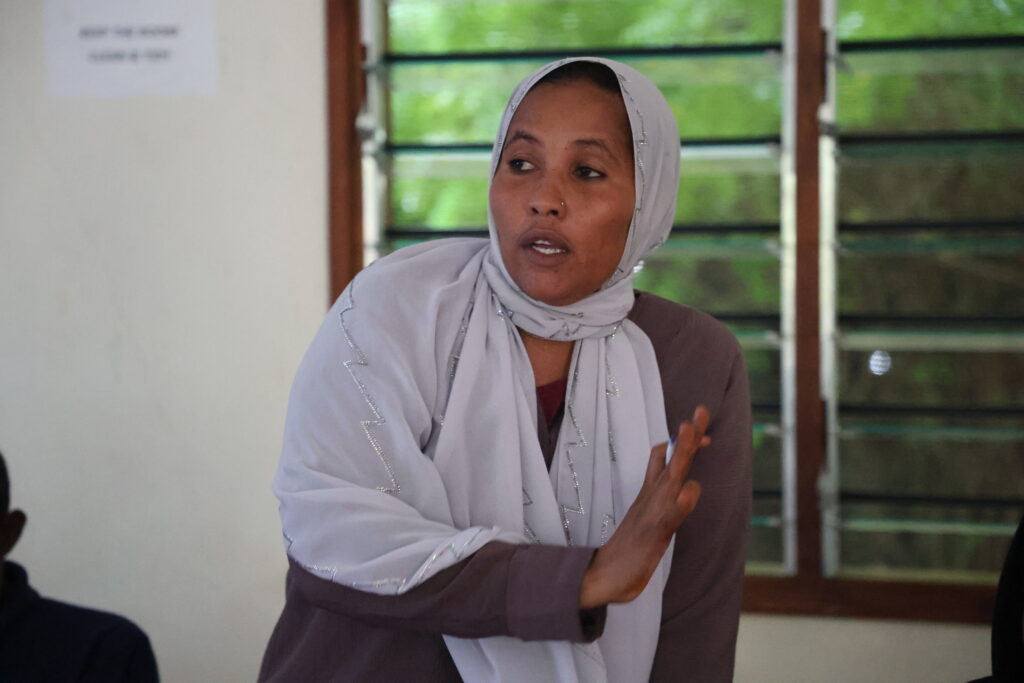
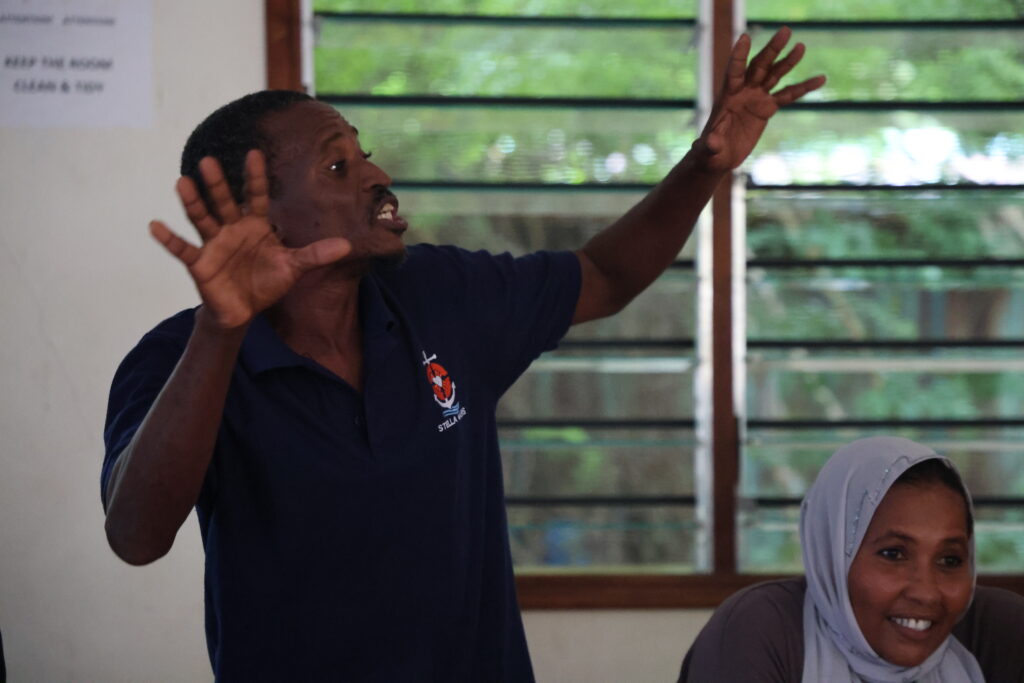
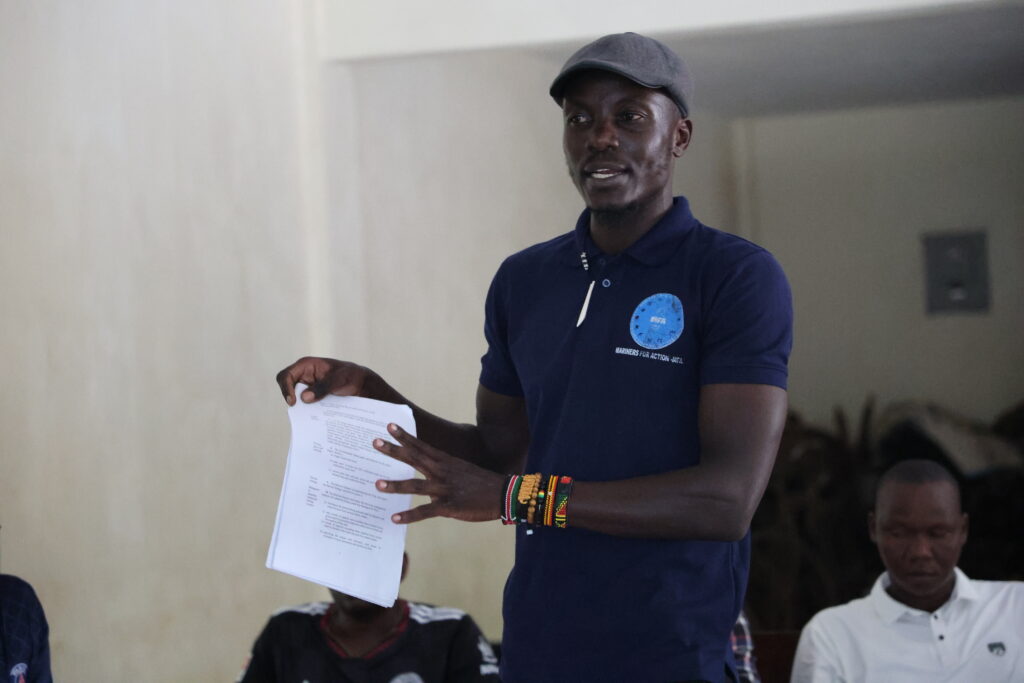
The project brings together government institutions, coastal communities, fisheries stakeholders, conservation organizations, researchers, and development partners to foster a coordinated response towards sustainable fisheries management and marine biodiversity conservation. Through a multi-stakeholder approach, the initiative seeks to create inclusive platforms for dialogue, strengthen collaboration among key actors, and promote collective action for improved governance and enforcement of regulations related to bottom trawling.
The project focuses on strengthening community-based monitoring systems and enhancing local capacity to participate in marine resource management. Coastal communities will be supported with knowledge, skills, and tools to document and report the impacts of bottom trawling while contributing to biodiversity monitoring efforts. The initiative also prioritizes knowledge generation and learning by documenting evidence, capturing stakeholder perspectives, and developing information products that support informed decision-making.
A key component of the project is policy and governance engagement. By facilitating dialogue between communities, government agencies, and other stakeholders, the project aims to generate practical recommendations that can inform fisheries governance frameworks, strengthen regulatory enforcement, and support the long-term protection of marine ecosystems.
The initiative is guided by a theory of change that links awareness, evidence generation, advocacy, and policy reform to improved ocean resilience and sustainable livelihoods for small-scale fishing communities. Through strengthened partnerships, enhanced stakeholder coordination, and increased community participation, the project seeks to contribute to healthier marine ecosystems and more effective management of Kenya’s coastal and marine resource
Project Objectives
The project aims to strengthen stakeholder collaboration, enhance community participation, generate evidence on the impacts of bottom trawling, and support improved fisheries governance and enforcement to advance marine biodiversity conservation and sustainable coastal livelihoods.
Challenges
Bottom trawling in Ungwana Bay, Kenya, poses significant threats to marine biodiversity and coastal communities through the destruction of benthic habitats such as seagrass beds and soft sediment ecosystems that support critical life stages of many marine species. The practice results in high levels of bycatch, including sharks, rays, and sea turtles, and contributes to the depletion of demersal fish stocks, thereby disrupting ecosystem structure and trophic balance. For artisanal fishing communities, this translates into reduced fish availability, declining catch per unit effort, and weakened food and income security, as industrial trawling intensifies competition over already stressed nearshore fisheries.
Project Gallery (9 images)