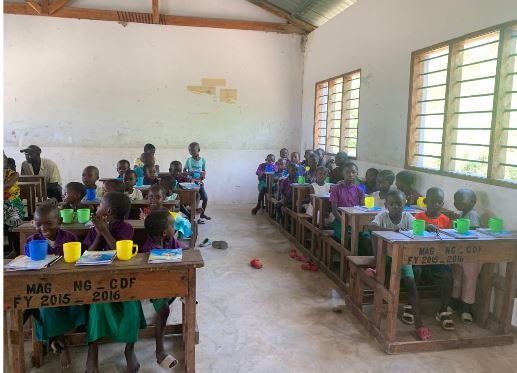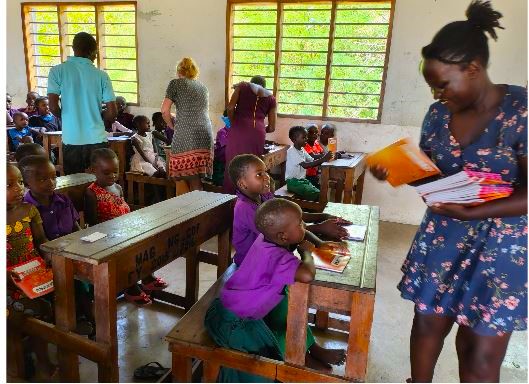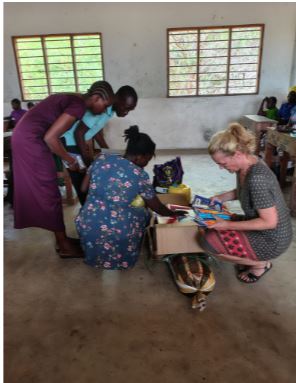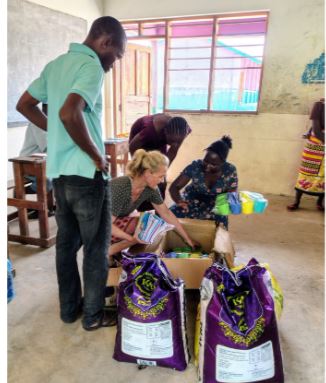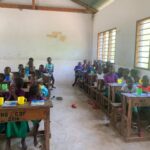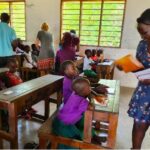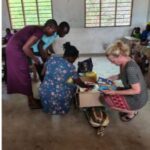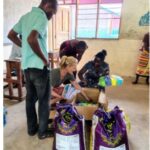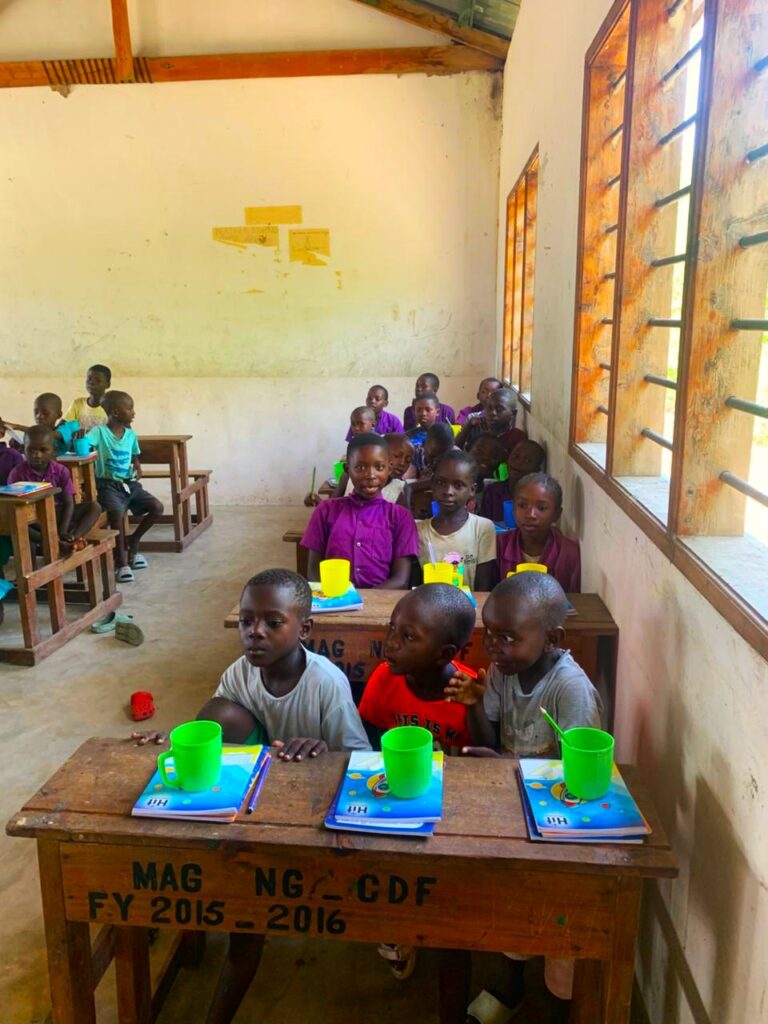
School Feeding Program.
Mangrove depletion in Kinyaule Village, Magarini Constituency, has significantly reduced fish stocks, undermining household incomes and the livelihoods of local fishing communities. These economic pressures have directly affected children’s access to education, particularly at the local primary school that serves families dependent on small-scale fishing.
The school currently operates with only three teachers supported by the Board of Management. Due to widespread food insecurity, many pupils are unable to afford meals during school hours. As a result, learners are forced to walk over two kilometres back home to eat, disrupting learning and leading the school to suspend afternoon and evening classes. This challenge has contributed to increased absenteeism and rising dropout rates.
Parents of the affected students are actively engaged in community mangrove restoration groups in partnership with Mariners for Action (MFA). Recognising the link between environmental degradation, livelihoods, and education outcomes, the community has formally requested support to establish a school feeding programme. This intervention aims to improve student retention, restore full learning schedules, and ensure that children from fishing families can consistently access education while broader efforts to restore mangroves and fisheries continue.
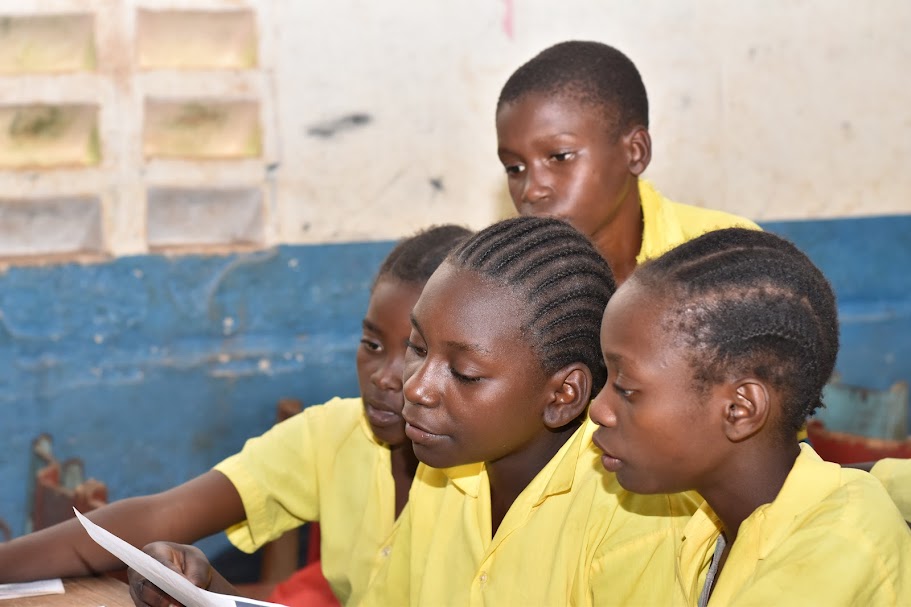
Project Objectives
The project aims to improve student attendance and reduce dropout rates at Kinyau Primary School by providing regular meals during school hours, while also enabling the resumption of evening classes by ensuring students have access to food at school. It seeks to support the academic performance and overall well-being of students from fishing families affected by economic challenges, strengthen community engagement through collaboration with parents involved in mangrove rehabilitation and plastic waste management initiatives, and foster a sustainable school feeding program that can be maintained through community and partner support to ensure long-term impact.
Challenges
A key challenge facing this initiative is the lack of current funding to support the school feeding program. At present, there are no secured financial resources to implement or sustain the provision of regular meals for students. As a result, the program has not yet been operationalized. The project team is actively seeking support from donors, partners, and well-wishers to mobilize the necessary resources to launch and sustain the initiative and ensure its intended impact on student attendance, learning outcomes, and well-being
Project Gallery (4 images)