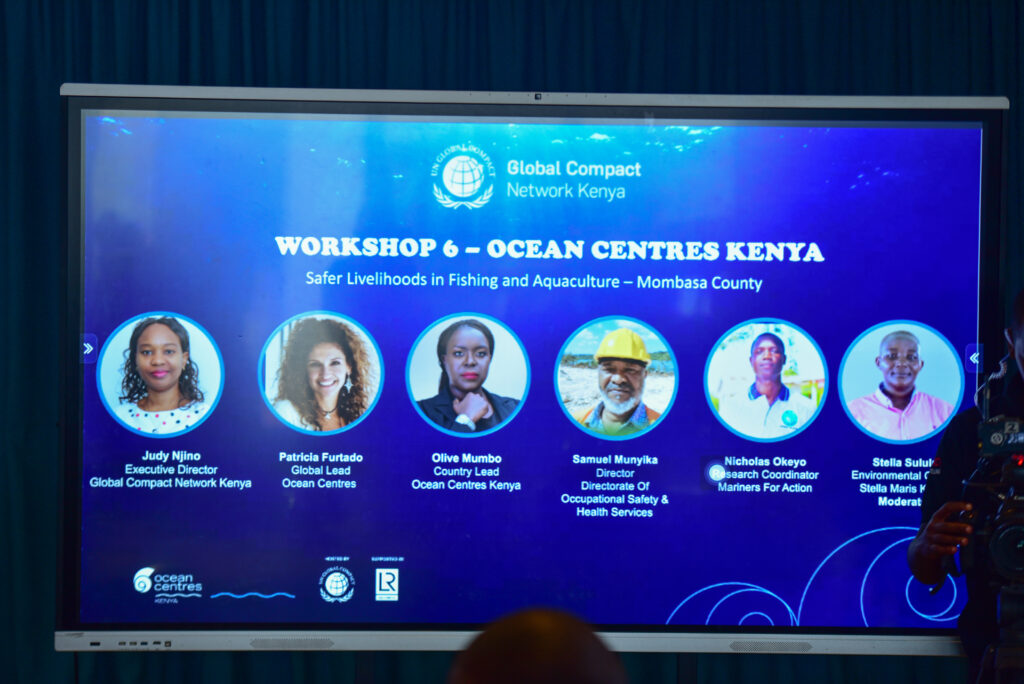
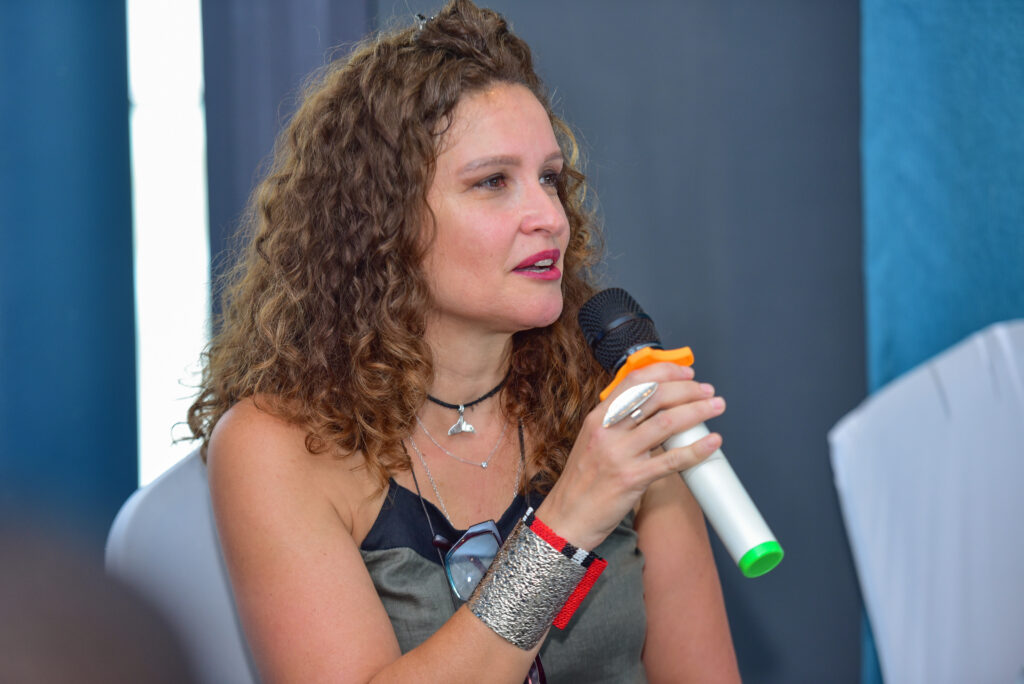
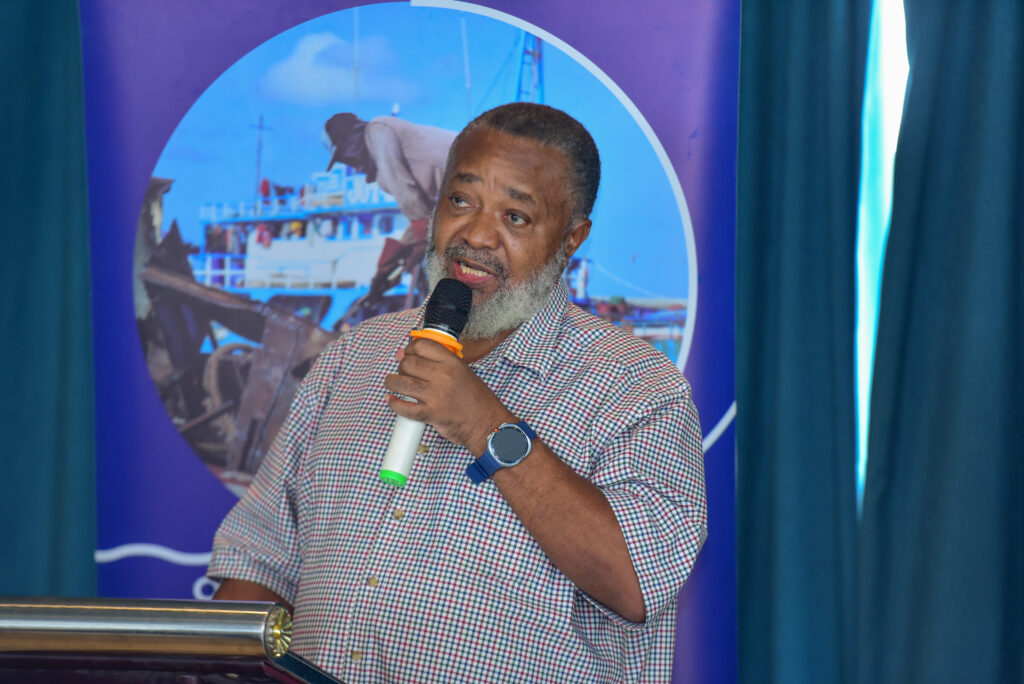
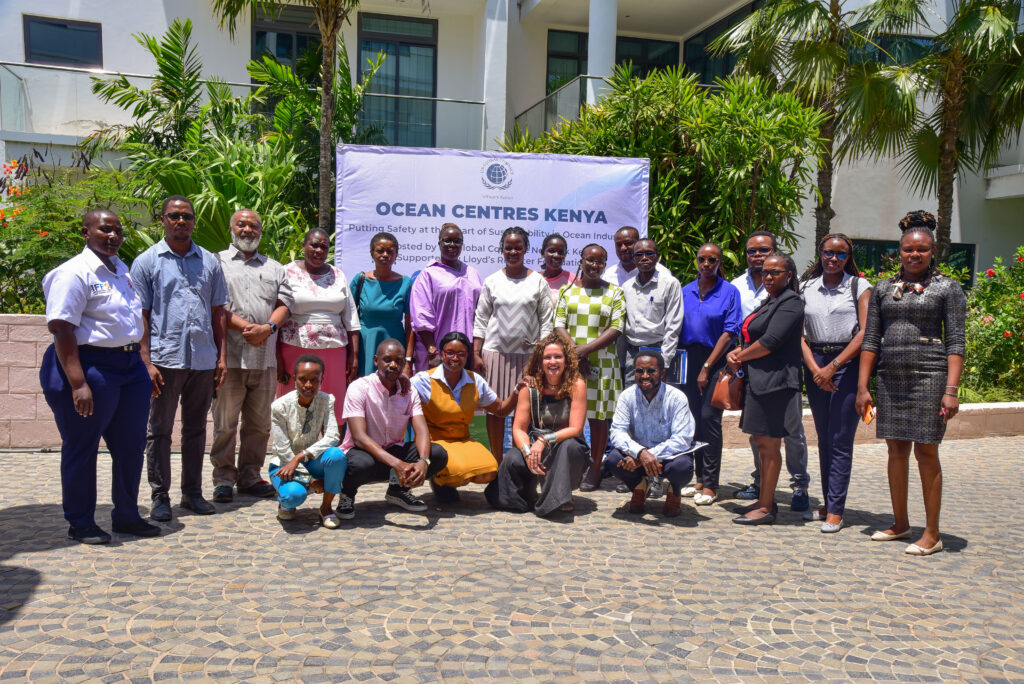
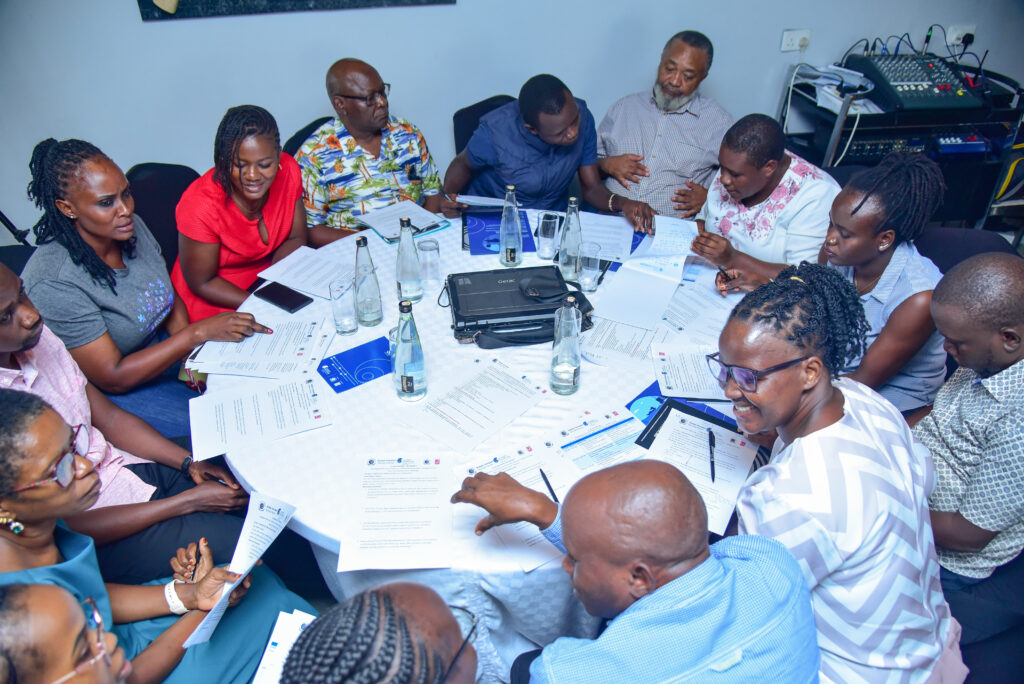
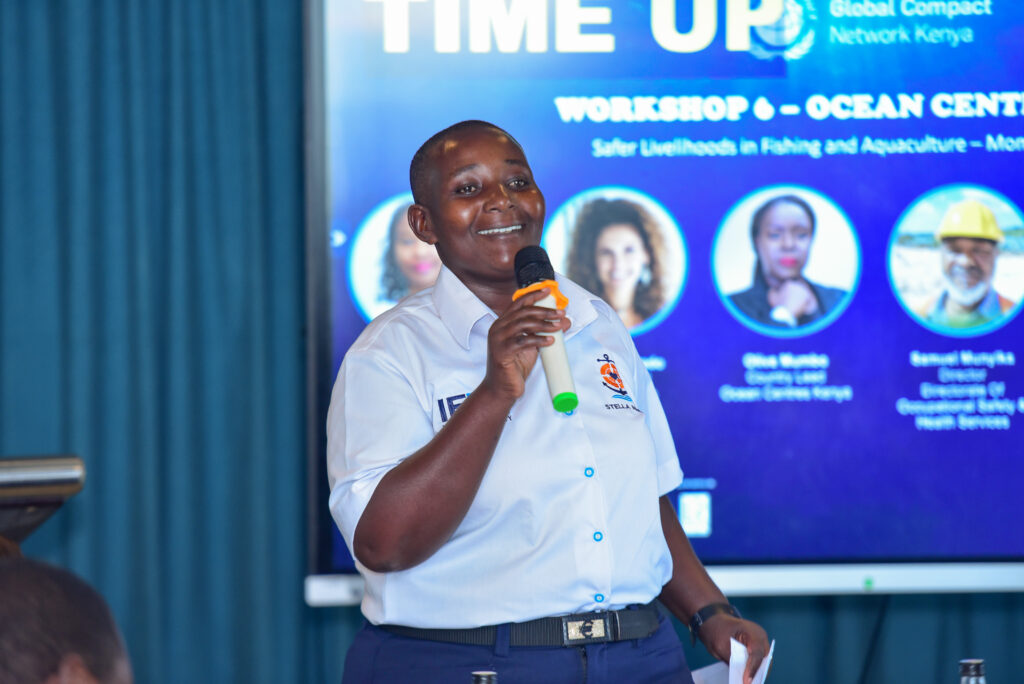
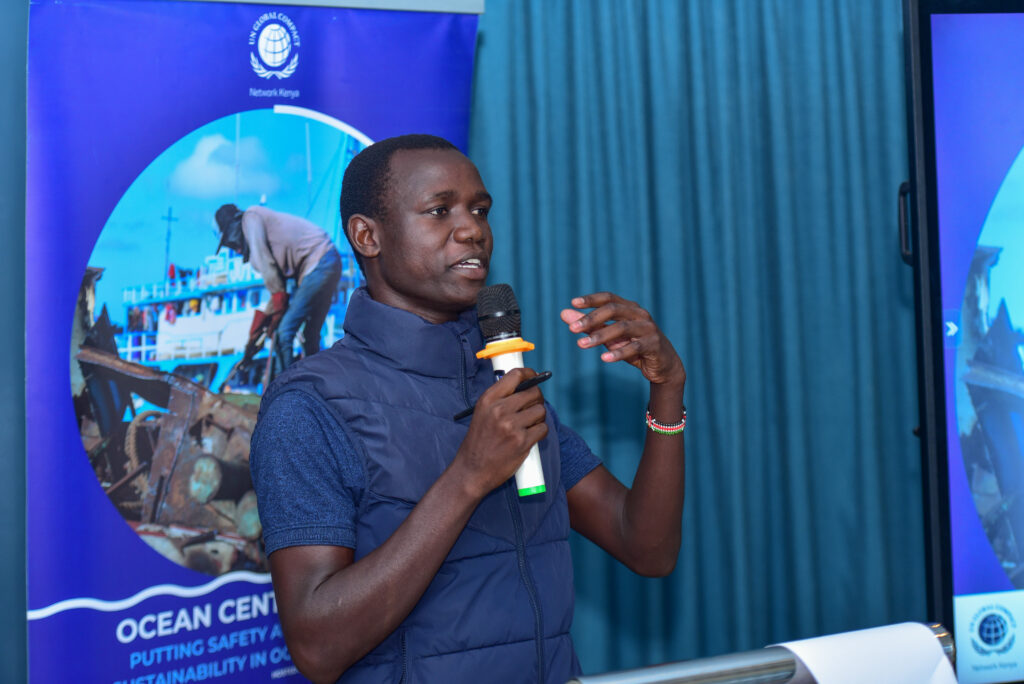
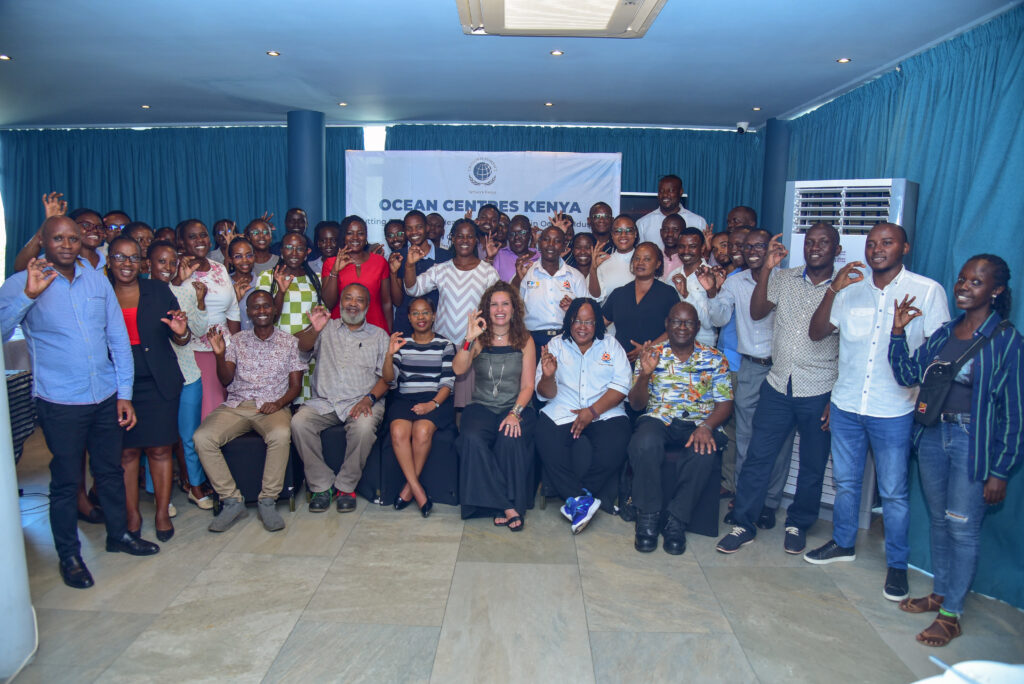
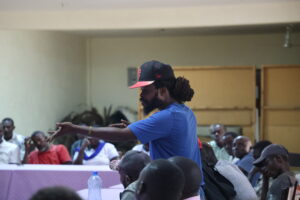
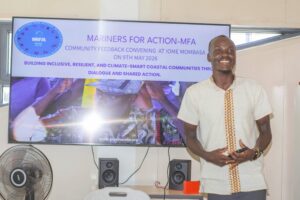
On 26 February 2026, Mariners for Action (MFA) participated in the Safer Livelihoods in Fishing and Aquaculture Workshop held at Hotel EnglishPoint Marina. The forum was convened by Global Compact Network Kenya and brought together a diverse group of stakeholders working to strengthen occupational safety, promote decent work, and advance sustainability across coastal fisheries and aquaculture value chains.
Representing Mariners for Action, Research Coordinator Nicholas Okeyo contributed to the discussions by sharing insights from community-based coastal initiatives and highlighting the practical challenges experienced by fishers and other actors operating along the fisheries value chain. The contribution drew on direct field engagement with coastal communities, providing perspectives grounded in the everyday realities of small-scale fisheries.
A central theme of the workshop was the importance of strengthening the implementation of occupational safety and health standards guided by the principles of the International Labour Organization across all stages of the fisheries and aquaculture sectors. Participants explored the unique occupational and environmental risks present in urban coastal settings, where fishers, fish processors, and aquaculture workers often operate within hazardous working conditions that require stronger safeguards and institutional support.
Discussions also highlighted the need to protect vulnerable groups within the sector, particularly women and youth who play a critical role in post-harvest fisheries activities and the growth of emerging aquaculture enterprises. Ensuring their safety, inclusion, and access to opportunities remains essential for building equitable and sustainable coastal economies.
Participants further emphasized the importance of strengthening coordination among Beach Management Units, county governments, regulatory agencies, and community actors. Improved collaboration across these institutions was identified as key to enhancing safety standards, governance, and accountability throughout fisheries and aquaculture systems.
In addition, the workshop highlighted the growing importance of robust data collection and the integration of community-informed solutions. These approaches can help inform evidence-based policy, improve risk management, and support more resilient coastal livelihoods.
Mariners for Action remains committed to contributing community-driven insights to policy dialogues and multi-stakeholder platforms that aim to improve safety, sustainability, and governance within the blue economy. Through continued engagement with partners and coastal communities, the organization seeks to advance practical solutions that support both marine ecosystem health and the well-being of the people who depend on it.