
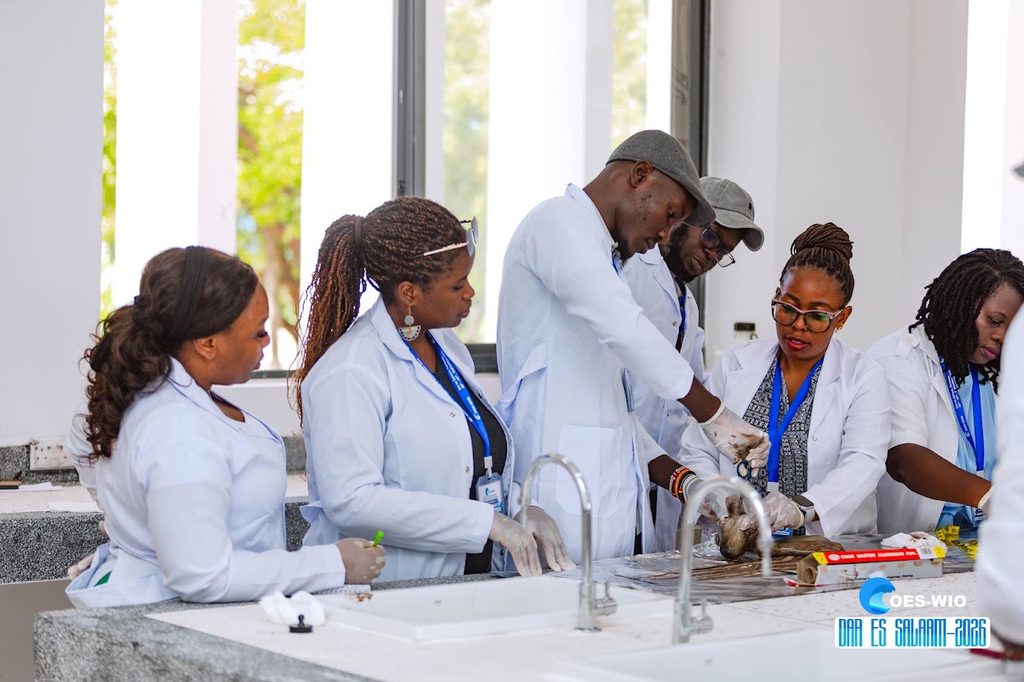
Participation in the recently concluded Coastal Ocean Environment Summer School in the Western Indian Ocean (COES-WIO), held in Dar es Salaam, Tanzania, provided an opportunity for Mariners for Action (MFA) to strengthen its regional learning and engagement on sustainable fisheries, mariculture and coastal livelihoods. Linus Owino, representing MFA, participated in the Small-Scale Fisheries track, exploring scientific and practical approaches to addressing challenges affecting fishing communities and marine resource-dependent economies across the Western Indian Ocean (WIO).
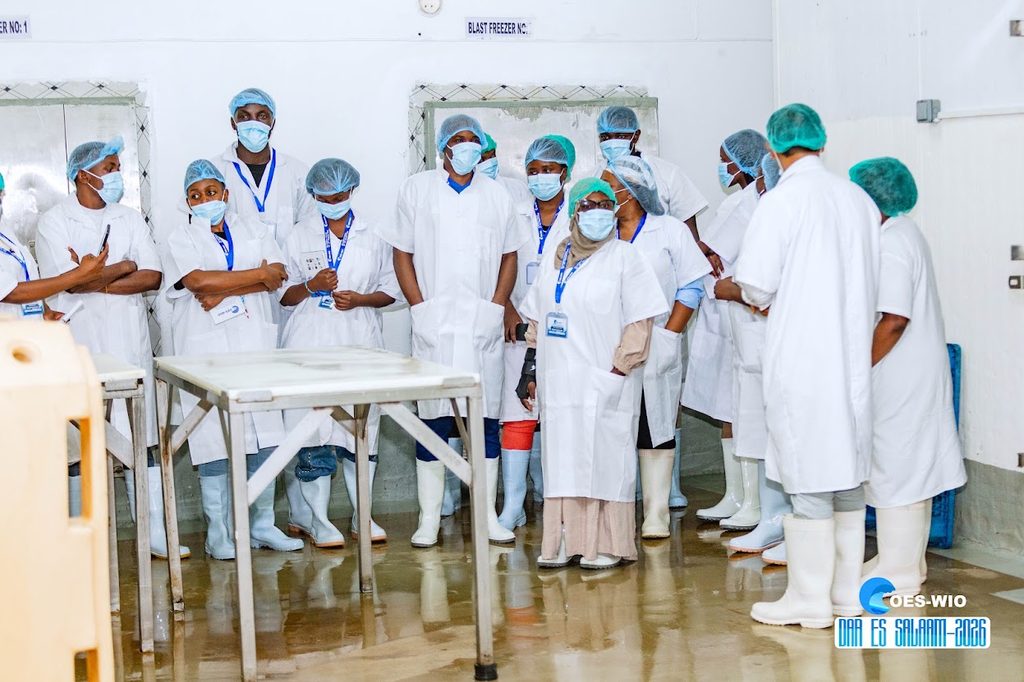
The programme examined octopus and seaweed value chains, focusing on production, post-harvest handling, value addition and market access. These processes directly influence product quality, market efficiency and the incomes of small-scale producers. Discussions highlighted the need to identify value-chain bottlenecks and develop context-specific interventions that reduce post-harvest losses, improve market participation and strengthen livelihood opportunities for coastal communities.
For MFA, these insights are particularly relevant to understanding the challenges faced by small-scale fishing communities along Kenya’s coast. Reducing post-harvest losses requires attention to handling and preservation practices, appropriate infrastructure, access to suitable technologies and the market systems connecting fishers to buyers. Strengthening these areas can help improve the economic returns from fishing while supporting more efficient use of harvested marine resources.
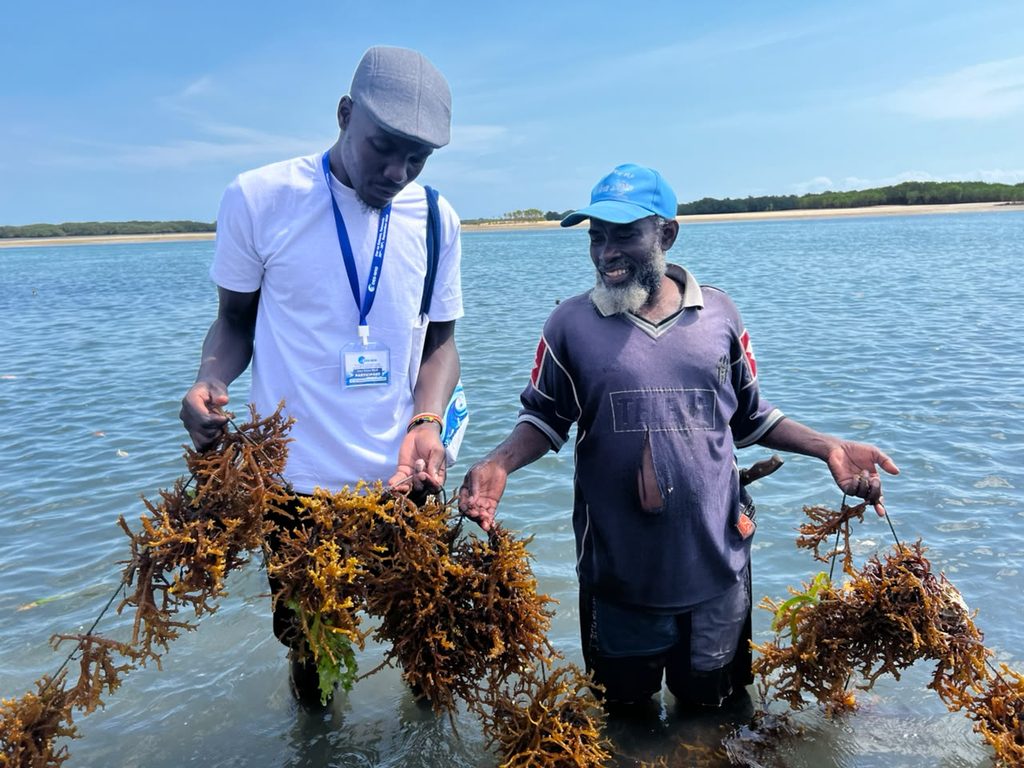
The Summer School also explored seaweed farming as a complementary livelihood to capture fisheries. Discussions on Tanzania’s seaweed sector provided valuable perspectives on production systems, technical capacity, farming conditions, market linkages and value addition. For MFA, this learning broadens the scope for examining how sustainable mariculture could contribute to livelihood diversification, reduce dependence on capture fisheries and create additional economic opportunities for coastal households, particularly women and other groups engaged in marine-based enterprises.
These themes connect directly with MFA’s commitment to marine and coastal conservation, community engagement and sustainable livelihood development. They reinforce the importance of approaches that consider ecological sustainability alongside the economic realities of coastal communities. Effective conservation initiatives must recognise these connections and explore how improved resource management, appropriate technologies and viable livelihood opportunities can contribute to healthier marine ecosystems and stronger coastal economies.
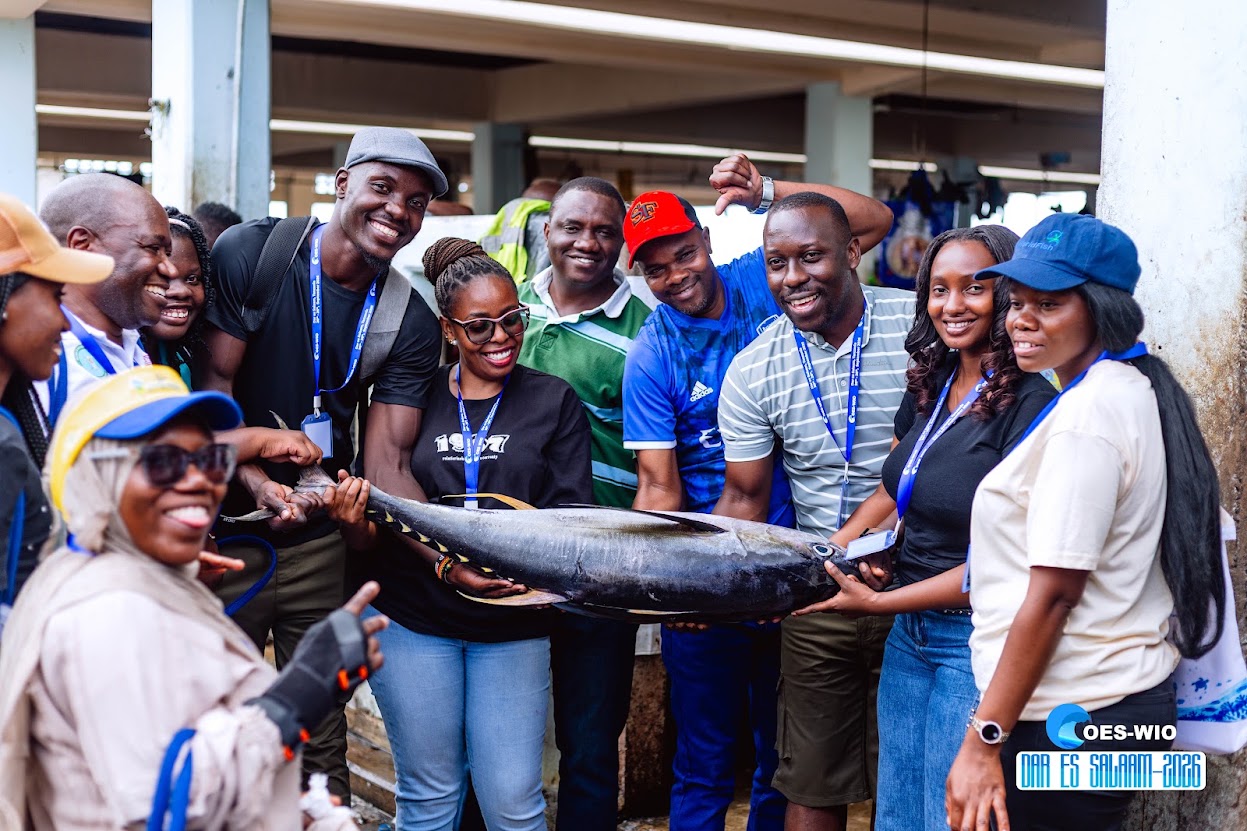
Beyond the technical sessions, the Summer School facilitated engagement with researchers, practitioners and ocean professionals working across the WIO region. These exchanges created opportunities to share experiences, learn from different coastal contexts and identify areas where regional collaboration, research and innovation could support more effective fisheries management and coastal development.
The knowledge and perspectives gained through COES-WIO will inform MFA’s continued learning, partnerships and programme development in Kenya’s coastal communities. In particular, the experience provides a foundation for further exploring post-harvest loss reduction, sustainable seaweed mariculture and practical approaches that connect marine conservation with community livelihoods.
For MFA, participation in regional learning platforms such as COES-WIO is part of a broader commitment to strengthening the link between scientific knowledge and community-centred action. Advancing a sustainable blue economy in the Western Indian Ocean requires collaboration among coastal communities, research institutions, civil society organisations, public agencies and private-sector actors to ensure that marine resources are managed sustainably while supporting the people whose livelihoods depend on them.