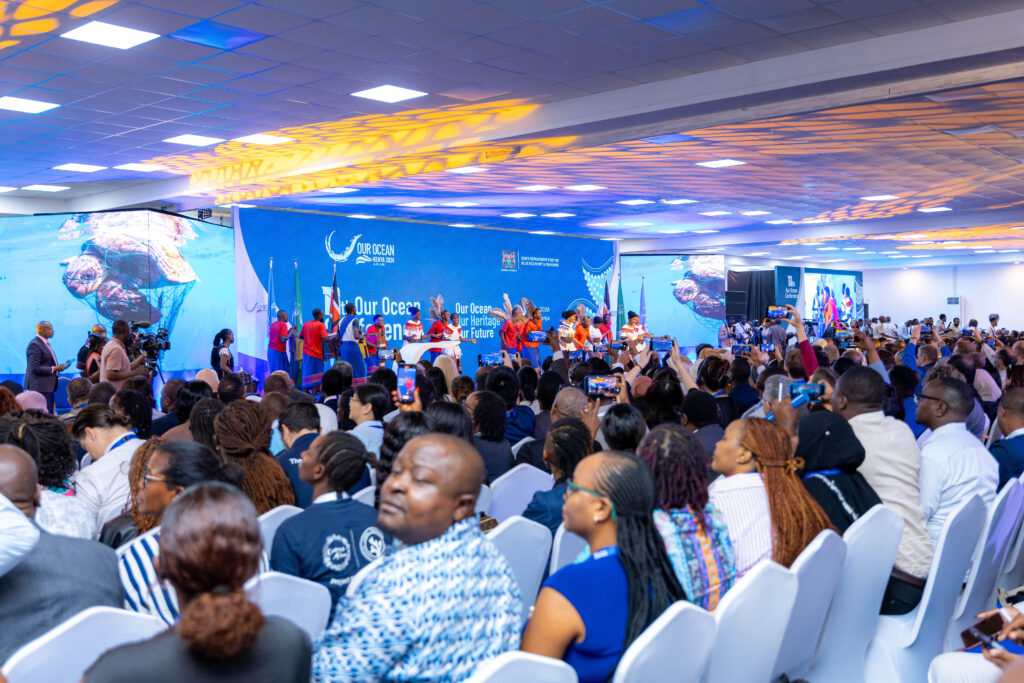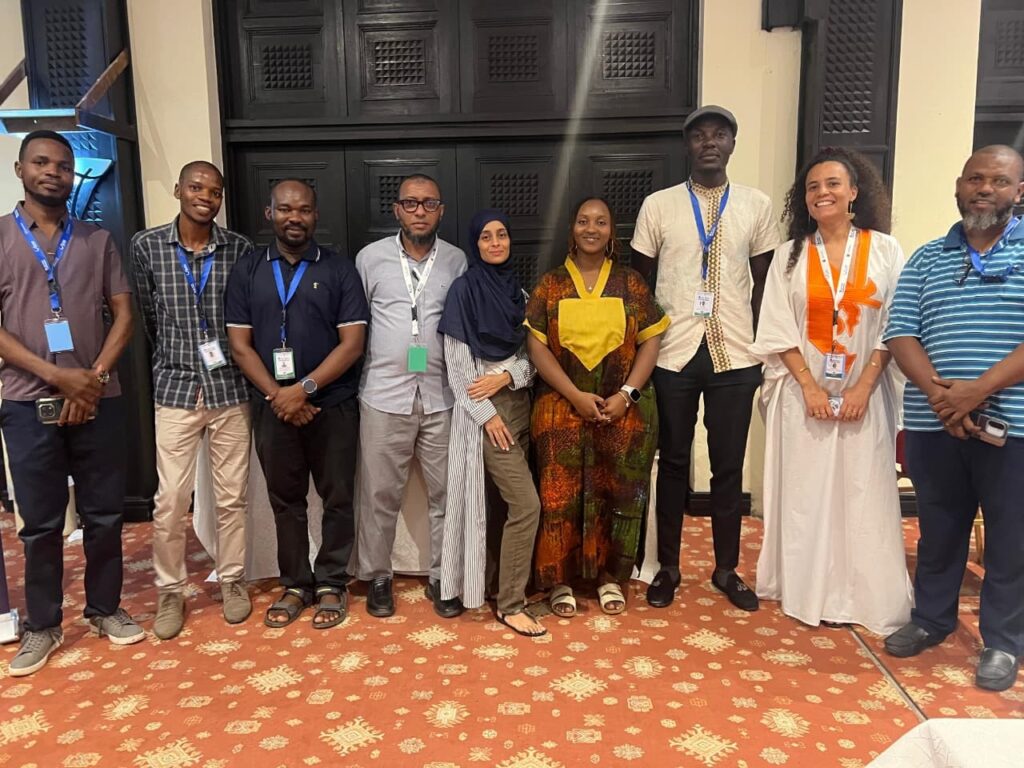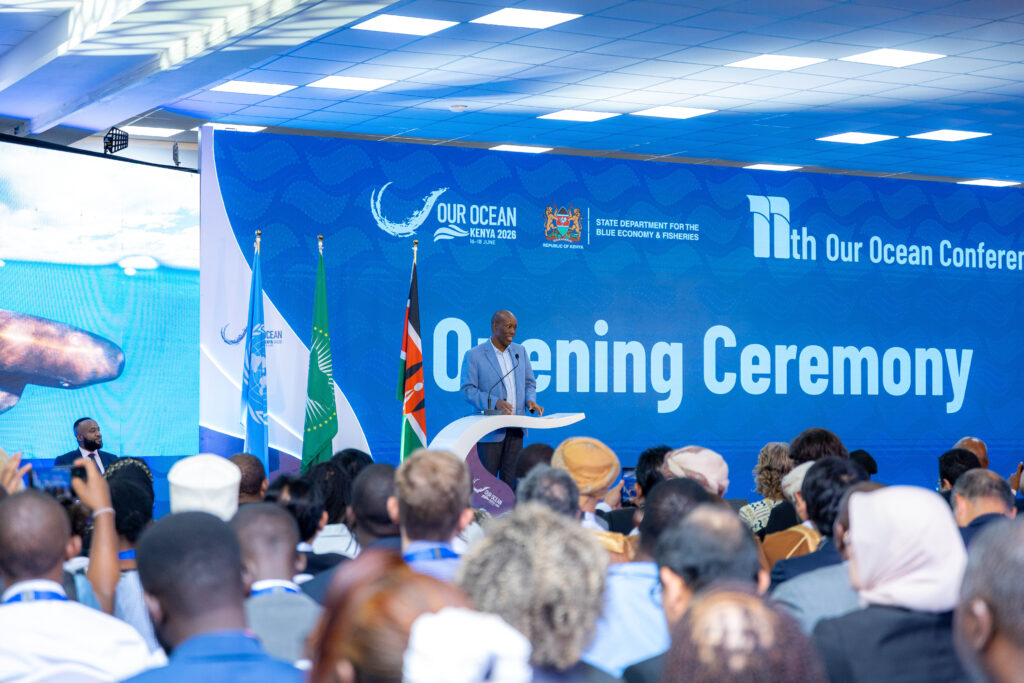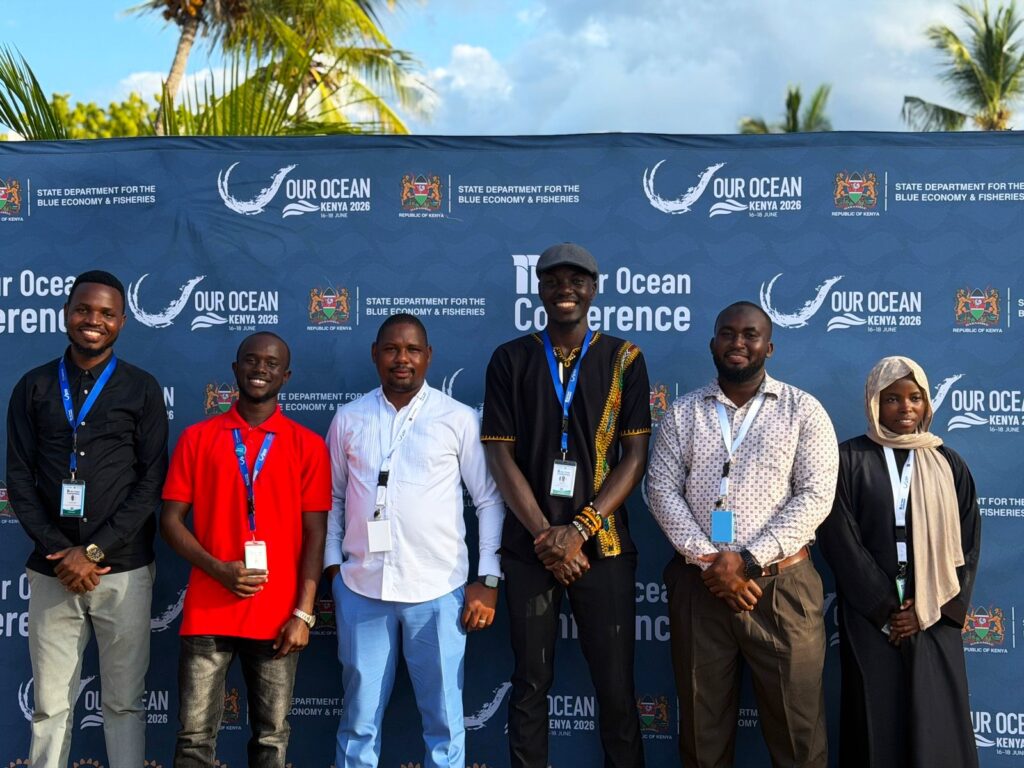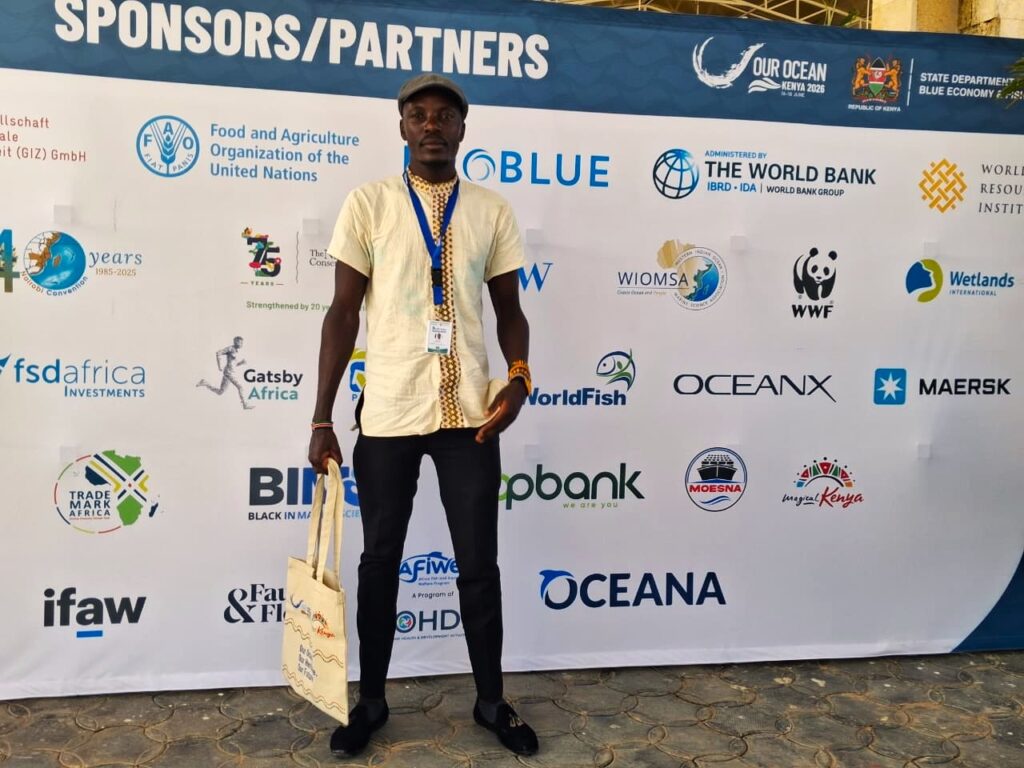

From 16–18 June, the Mariners for Action (MFA) team participated in the 11th Our Ocean Conference in Mombasa, Kenya, joining more than 2,000 delegates representing governments, research institutions, conservation organisations, development partners, academia, the private sector, Indigenous communities, and civil society from across the globe.
The conference provided an important platform for dialogue, collaboration, and knowledge exchange on some of the most pressing issues affecting the world’s oceans. Discussions focused on advancing marine biodiversity conservation, strengthening sustainable fisheries, promoting blue economy innovation, mobilising sustainable ocean financing, improving marine spatial planning, and leveraging science and emerging technologies to enhance ocean governance and ecosystem resilience.
Participants also examined critical challenges confronting marine ecosystems, including Illegal, Unreported and Unregulated (IUU) fishing, destructive fishing practices such as bottom trawling, marine pollution, biodiversity loss, habitat degradation, and the growing impacts of climate change. Across the various sessions, there was a strong emphasis on integrated, ecosystem-based management approaches, strengthened governance systems, and enhanced regional and international cooperation to safeguard ocean resources.
One of the conference’s defining strengths was the opportunity to learn from diverse experiences and practical solutions being implemented across different regions. Case studies highlighted how collaborative governance, science-driven decision-making, innovative financing, and community-centred conservation are contributing to healthier marine ecosystems and more sustainable coastal economies. These examples reinforced the importance of partnerships in addressing complex environmental challenges that extend beyond national boundaries.
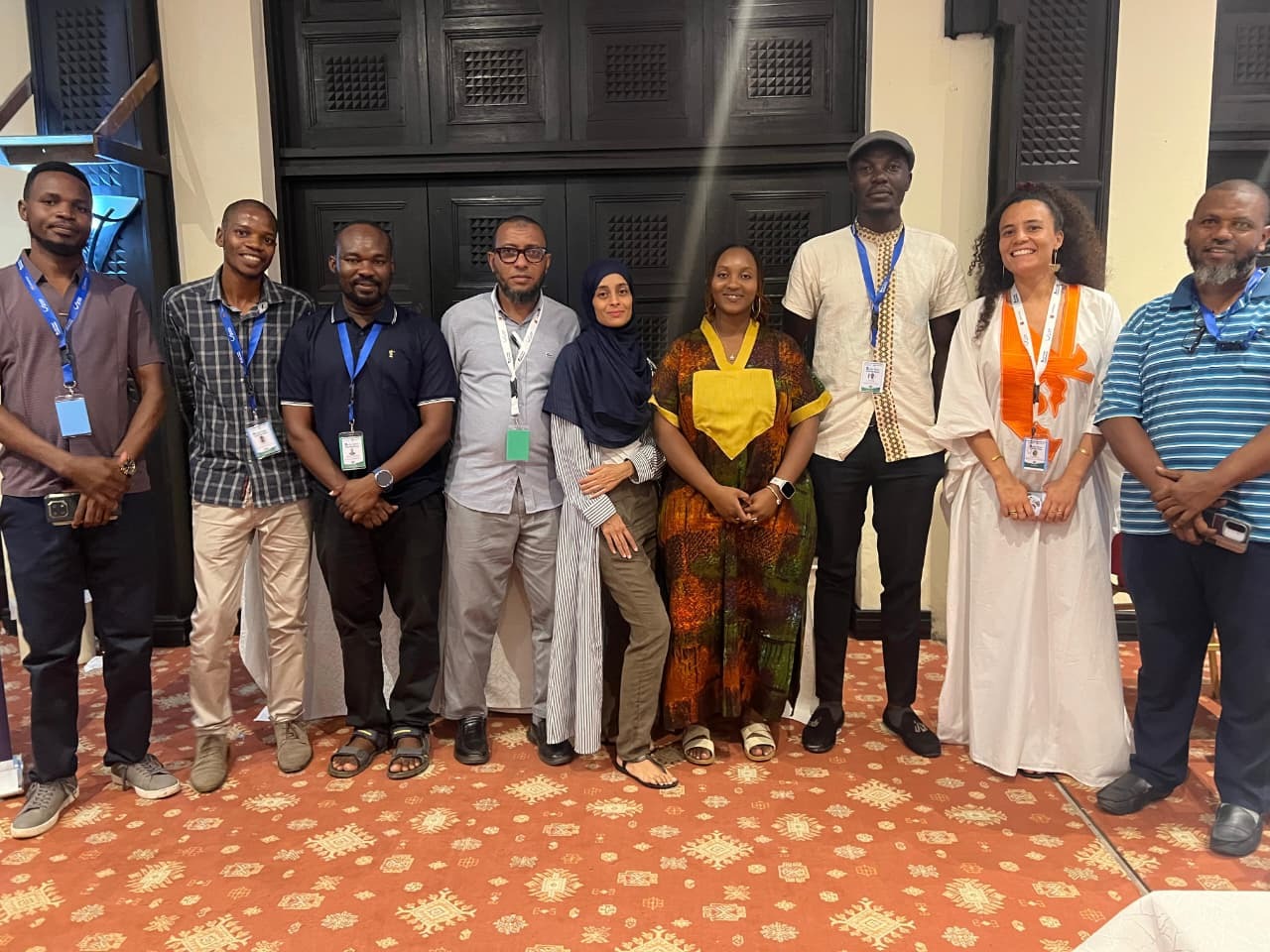
For Mariners for Action, the conference created valuable opportunities to engage with conservation practitioners, researchers, policymakers, donors, regional organisations, and development partners working across marine conservation, climate adaptation, coastal ecosystem restoration, sustainable fisheries, and community resilience. These engagements strengthened existing relationships while creating new opportunities for collaboration, knowledge exchange, research partnerships, and future programme development.
A key milestone during the conference was the continued strengthening of the East & Southern Africa Ocean Resilience Alliance (ESA-ORA). MFA utilised the gathering to engage consortium members, establish new strategic partnerships, and expand the Alliance’s regional network. These discussions further advanced ESA-ORA’s mission of promoting scientific collaboration, policy dialogue, innovation, and coordinated regional action to address shared ocean and coastal challenges across East and Southern Africa and the Western Indian Ocean region.
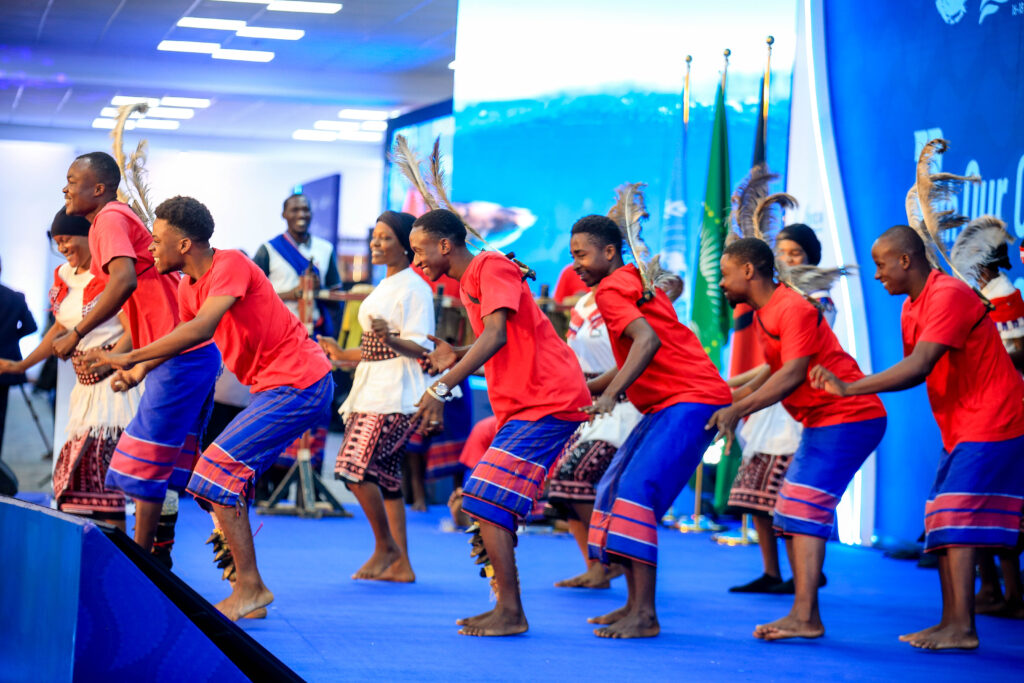
Beyond the technical discussions, the conference underscored the importance of recognising culture, Indigenous knowledge, and local community stewardship as integral components of effective ocean governance. Sustainable marine conservation requires not only robust scientific evidence and sound policy frameworks but also meaningful participation by coastal communities whose livelihoods and wellbeing are closely connected to healthy marine ecosystems.
The conference reaffirmed that achieving long-term ocean resilience depends on stronger partnerships, interdisciplinary collaboration, and sustained investment in locally led conservation initiatives. As marine ecosystems continue to face increasing environmental and socio-economic pressures, collaboration between governments, research institutions, civil society, local communities, and the private sector remains essential to delivering scalable and lasting conservation outcomes.
The insights, partnerships, and opportunities gained through the 11th Our Ocean Conference will continue to inform MFA’s work as we strengthen evidence-based conservation programmes, support sustainable fisheries, restore marine and coastal ecosystems, and enhance the resilience of coastal communities across Kenya and the wider Western Indian Ocean region.
Mariners for Action remains committed to working alongside partners at local, national, regional, and international levels to advance innovative, science-based, and community-driven solutions that contribute to a healthy, productive, and resilient ocean for present and future generations.